Blog
Best Pump Ingredients for Bodybuilders 💪

Quick Summary (Key Takeaways)
The muscle pump refers to the temporary feeling of fullness in muscles during resistance training due to increased blood flow and fluid shifts within muscle tissue.
Bodybuilders often seek ingredients that support circulation, endurance, hydration, and workout intensity.
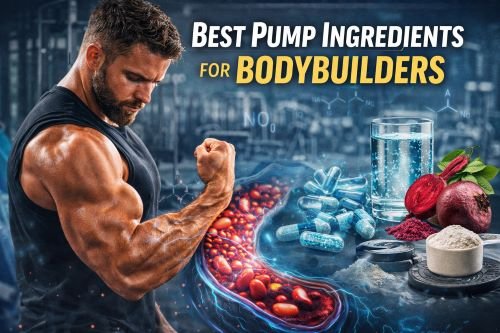
Popular pump-support ingredients include L-citrulline, L-arginine, nitrates, glycerol, creatine, and electrolytes.
Pump ingredients are commonly included in pre-workout or pump-focused supplements used before training sessions.
Training methods such as higher repetitions, shorter rest periods, and supersets also contribute to stronger pumps.
Supplements work best when combined with structured workouts, hydration, balanced nutrition, and proper recovery.
Best Pump Ingredients for Bodybuilders
Among bodybuilders and strength athletes, few workout sensations are as recognizable as the muscle pump. During an intense training session, muscles can feel fuller, tighter, and more engaged as blood flow increases to working muscle groups. This temporary effect is commonly referred to as “the pump.”
For many athletes, achieving a strong pump is not only satisfying but also motivating. The visual and physical feedback during training can reinforce proper muscle engagement and help athletes focus on the muscles they are targeting.
Because of this, many bodybuilders look for ingredients that support circulation and workout performance as part of their pre-training routine. These ingredients are often found in sports nutrition formulas designed to complement high-intensity resistance training.
Understanding the most common pump-support ingredients can help athletes make informed choices when selecting supplements to complement their workout routines.
Understanding the Muscle Pump
Before exploring pump ingredients, it helps to understand what happens inside the body during resistance training.
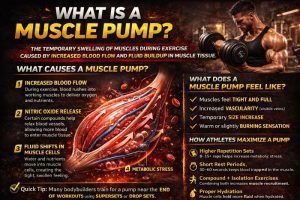
When muscles contract repeatedly during exercises such as weightlifting, push-ups, or resistance band movements, the body responds by increasing blood flow to those active muscles. This circulation helps deliver oxygen and nutrients needed for muscular activity.
At the same time, muscle contractions can temporarily restrict blood flow leaving the muscle. When the muscle relaxes between repetitions, blood flows back into the tissue. As this cycle repeats, blood volume increases in the working muscles.
This process can lead to:
Increased muscle fullness
Temporary muscle swelling
Enhanced vascular appearance
The tight sensation commonly associated with a pump
Scientists often refer to this process as exercise-induced hyperemia, which simply means increased blood flow to active muscle tissue.
While the pump itself is temporary, it remains a popular goal during bodybuilding workouts.
Why Bodybuilders Pursue the Pump
The pump has become a well-known part of bodybuilding culture, and many athletes actively structure workouts around achieving it.
Enhanced Mind-Muscle Connection
When muscles fill with blood during exercise, athletes often find it easier to feel the targeted muscle group working.
This increased awareness—sometimes called the mind-muscle connection—can help lifters maintain proper technique and focus on the intended muscle.
Visual Feedback During Workouts
Because bodybuilding emphasizes muscular appearance, the visual change that occurs during a pump can provide immediate feedback.
Muscles may appear larger and more defined during training, which can help athletes assess how effectively they are activating specific muscle groups.
Motivation and Workout Satisfaction
The sensation of a pump can also increase motivation during workouts. Many athletes find that the tightness and fullness in their muscles encourage them to continue pushing through challenging sets.
For these reasons, pump-focused workouts and supplements remain popular in the bodybuilding community.
Key Pump Ingredients Used by Bodybuilders
Several ingredients are commonly included in sports nutrition formulas designed to support workout circulation and muscular engagement.
L-Citrulline
L-citrulline is one of the most widely used ingredients in pump-focused supplements.
It is an amino acid involved in the body’s nitric oxide pathway. Nitric oxide helps support normal blood vessel relaxation, which can influence circulation during exercise.
Because circulation plays a role in delivering nutrients and oxygen to muscles during training, many athletes include L-citrulline in their pre-workout routines.
A common form used in supplements is citrulline malate, which combines L-citrulline with malic acid. This combination is often used in sports nutrition formulas intended for athletes engaged in high-intensity training.
L-Arginine
L-arginine is another amino acid associated with nitric oxide production in the body.
Like citrulline, arginine is often included in pump-support supplements because of its connection to circulation pathways.
Although arginine has been used in sports nutrition products for many years, many modern pump formulas combine it with other ingredients to create balanced blends that support workout performance.
Dietary Nitrates
Dietary nitrates occur naturally in vegetables such as beets, spinach, and arugula.
These compounds are sometimes included in sports nutrition supplements as plant-based extracts.
Nitrate-containing ingredients are commonly used in formulas designed to support exercise performance and endurance during training sessions.
Many athletes associate nitrate-rich ingredients with improved workout stamina and circulation during intense exercise.
Creatine
Creatine is one of the most widely studied ingredients in sports nutrition.
Although it is primarily known for supporting strength and high-intensity performance, creatine may also influence cellular hydration within muscle tissue.
This effect may contribute to the appearance of fuller muscles during workouts.
Because of its extensive research and popularity among athletes, creatine is frequently included in strength and performance supplement routines.
Glycerol
Glycerol is another ingredient used in some pump-focused supplements.
It helps support hydration by encouraging fluid retention within muscle tissue when consumed with adequate water.
Athletes sometimes use glycerol-containing products before high-volume workouts because hydration plays an important role in muscle performance.
By supporting fluid balance, glycerol may contribute to the temporary fullness associated with a muscle pump.
Electrolytes
Electrolytes such as sodium, potassium, and magnesium help regulate fluid balance in the body.
Because circulation and hydration are closely connected, electrolytes are often included in sports nutrition products designed for athletes engaged in intense training.
Maintaining proper electrolyte balance can help support performance during longer or more demanding workouts.
Training Strategies That Enhance the Pump
While pump ingredients can complement workouts, training style remains one of the most important factors for achieving strong muscle pumps.
Bodybuilders often structure workouts to increase circulation and metabolic stress within muscles.
Higher Repetition Sets
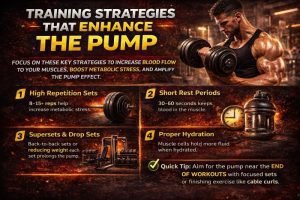
Performing sets with 10–15 repetitions keeps muscles under tension longer and encourages greater blood flow.
Short Rest Periods
Shorter rest periods—often between 30 and 60 seconds—help maintain circulation within the muscles between sets.
Supersets
Supersets involve performing two exercises back-to-back with little rest.
For example:
Dumbbell curls followed by hammer curls
Chest presses followed by push-ups
This technique keeps muscles engaged continuously and increases the pump effect.
Drop Sets
Drop sets extend a set by reducing the weight once fatigue occurs.
Continuing the exercise with lighter weight increases time under tension and promotes muscle engagement.
Nutrition and Hydration for Better Pumps
In addition to training methods and supplements, nutrition plays a role in supporting workout performance.
Carbohydrates and Muscle Glycogen
Carbohydrates replenish glycogen stores in muscles, which provide energy for resistance training.
When glycogen levels are sufficient, muscles may appear fuller during workouts.
Hydration
Water supports circulation, nutrient delivery, and temperature regulation during exercise.
Athletes often increase water intake before workouts to help maintain hydration during intense training.
Electrolyte Balance
Electrolytes help regulate fluid balance in muscle tissue, which can support performance during longer training sessions.
Balanced nutrition and hydration provide the foundation for effective workouts and recovery.
Using Pump Supplements in a Training Routine
Many athletes incorporate pump-focused supplements as part of their pre-workout preparation.
For example, some lifters choose products like Pump Support Ultra to complement high-volume workouts and training routines focused on circulation and muscle engagement.
This type of supplement is typically used alongside consistent resistance training, hydration, balanced nutrition, and adequate recovery.*
*These statements have not been evaluated by the Food and Drug Administration. Dietary supplements are not intended to diagnose, treat, cure, or prevent any disease.
Final Thoughts
The muscle pump remains one of the most recognizable sensations in bodybuilding training. It occurs when blood flow increases to working muscles during resistance exercise, creating the temporary fullness and tightness many athletes enjoy during workouts.
While training style is the primary factor behind achieving a strong pump, several ingredients are commonly included in sports nutrition formulas designed to support circulation and workout performance.
Ingredients such as L-citrulline, L-arginine, nitrates, creatine, glycerol, and electrolytes are frequently used by athletes who prefer pump-focused training sessions.
When combined with structured workouts, proper hydration, balanced nutrition, and adequate recovery, these ingredients may complement a well-designed bodybuilding program.
For many athletes, the pump is not only a physical sensation but also a motivating reminder that their muscles are actively engaged during training.
References
Schoenfeld, B. (2010). The mechanisms of muscle hypertrophy and their application to resistance training. Journal of Strength and Conditioning Research.
American College of Sports Medicine. Resistance Training Guidelines.
Wackerhage, H., et al. (2019). Stimuli and sensors that initiate skeletal muscle hypertrophy. Sports Medicine.
Morton, R. W., et al. (2019). Resistance training volume enhances muscle hypertrophy. Medicine & Science in Sports & Exercise.
Phillips, S. M. (2014). Exercise and muscular adaptations. Sports Medicine.
National Strength and Conditioning Association. Essentials of Strength Training and Conditioning.
Common Questions (FAQ)
What is a muscle pump?
A muscle pump is the temporary increase in muscle fullness that occurs during resistance training due to increased blood flow to working muscles.
Do pump ingredients help improve workouts?
Some athletes use pump-focused ingredients in pre-workout formulas to complement training routines and support circulation during workouts.
Which ingredient is most commonly used for pump supplements?
L-citrulline is one of the most widely used ingredients in pump-focused sports nutrition formulas.
Do supplements replace proper training?
No. Supplements are intended to complement structured workouts, balanced nutrition, and recovery habits.
How can athletes increase the pump naturally?
Training techniques such as higher repetitions, shorter rest periods, supersets, and proper hydration can help enhance the pump effect during workouts.
Are pump supplements necessary for bodybuilding?
Pump supplements are optional. Many athletes achieve strong pumps through training style and nutrition alone.