Blog
What Do Electrolytes Actually Do During a Workout?


If you watched our recent Instagram reel, you saw us joking about dry scooping HydraBoost™ and feeling like a “raisin after leg day.” While the video was made for entertainment, it highlights something many gym-goers overlook: electrolytes play an important role in workout performance and recovery.
Most people focus heavily on protein, pre-workouts, and creatine, but hydration and electrolyte balance can have a significant impact on how you feel and perform in the gym. So what exactly do electrolytes do during exercise, and why do athletes pay so much attention to them?
Key Takeaways
- Electrolytes help regulate hydration, muscle contraction, and nerve function.*
- Sodium, potassium, and magnesium are among the most important electrolytes for active individuals.*
- Sweating during exercise causes the body to lose both water and electrolytes.*
- Maintaining electrolyte balance may help support exercise performance and recovery.*
- Proper hydration involves replacing both fluids and electrolytes, especially during intense training.*
What Are Electrolytes?
Electrolytes are minerals that carry an electrical charge when dissolved in body fluids. These minerals help regulate many essential physiological processes, including:
- Fluid balance
- Muscle contraction
- Nerve signaling
- Energy metabolism
- Exercise performance
While several minerals function as electrolytes, three are especially important for athletes and active individuals:
- Sodium
- Potassium
- Magnesium
When you train, sweat, and exert yourself, your body continuously uses and loses these minerals.
Why Do Athletes Lose Electrolytes During Exercise?
Sweating is your body’s natural cooling system. As body temperature rises during exercise, sweat helps regulate heat by evaporating from the skin.
However, sweat contains more than just water.
When you sweat, you also lose electrolytes, particularly sodium, along with smaller amounts of potassium and magnesium. The amount lost varies depending on:
- Exercise intensity
- Workout duration
- Environmental temperature
- Individual sweat rate
- Genetics
For some athletes, electrolyte losses during intense training sessions can be substantial.
This is one reason many endurance athletes, bodybuilders, and serious gym-goers pay attention not only to fluid intake but also to electrolyte replacement.
What Does Sodium Do During a Workout?
Sodium is often considered the most important electrolyte for exercise performance.
Sodium helps:
- Regulate fluid balance
- Support normal muscle contraction
- Assist nerve communication
- Help maintain hydration status during exercise*
Because sodium is lost in sweat, maintaining adequate sodium intake may help support hydration during training sessions, particularly during longer workouts or exercise performed in hot environments.*
In fact, many sports hydration formulas prioritize sodium because of its central role in maintaining fluid balance.
What Does Potassium Do?
Potassium works alongside sodium to help regulate fluid distribution throughout the body.
Potassium also supports:
- Muscle function*
- Nerve signaling*
- Fluid regulation*
- Exercise performance*
Although potassium losses through sweat are generally lower than sodium losses, maintaining appropriate potassium intake remains important for athletes and active individuals.
The balance between sodium and potassium helps support normal physiological function during physical activity.*
Why Is Magnesium Important for Athletes?
Magnesium is involved in hundreds of biochemical reactions throughout the body.
For physically active individuals, magnesium helps support:
- Muscle function*
- Energy metabolism*
- Electrolyte balance*
- Protein synthesis*
- Exercise performance*
Because magnesium participates in energy production and muscular function, maintaining adequate magnesium intake is an important consideration for many athletes.
Some research suggests that physically active individuals may have increased magnesium requirements compared to sedentary populations.
What About Trace Minerals?
In addition to sodium, potassium, and magnesium, some hydration formulas include broader mineral support.
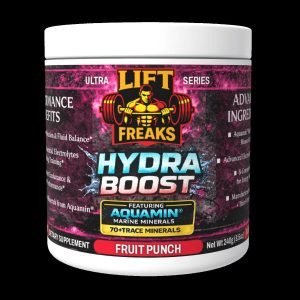
HydraBoost™ contains Aquamin®, a marine mineral source derived from red algae that naturally provides magnesium along with numerous trace minerals.
While sodium and potassium often receive the most attention, trace minerals may contribute to overall nutritional support for active individuals.*
How Can Electrolyte Balance Affect Training Performance?
Proper hydration involves more than simply drinking water.
Electrolytes help regulate how fluids move throughout the body and support many physiological processes involved in exercise performance.
Maintaining appropriate hydration and electrolyte status may help support:
- Exercise endurance*
- Muscle function*
- Fluid balance*
- Recovery from strenuous activity*
- Overall workout performance*
Individual needs vary significantly based on exercise intensity, sweat rate, climate, and training duration.
Practical Tips for Athletes
If you’re training intensely or sweating heavily, consider these hydration strategies:
Before Training
Begin workouts adequately hydrated and consume fluids throughout the day.
During Training
For longer or more intense workouts, fluids containing electrolytes may help support hydration status.*
After Training
Replacing both fluids and electrolytes after exercise may help support recovery and prepare you for your next training session.*
Products such as Lift Freaks HydraBoost™ are designed to provide electrolytes, marine minerals, and B-complex vitamins in a convenient hydration formula for active individuals.*
References
- Sawka MN, et al. Exercise and Fluid Replacement. Medicine & Science in Sports & Exercise. 2007.
- Maughan RJ, et al. IOC Consensus Statement: Dietary Supplements and the High-Performance Athlete. British Journal of Sports Medicine. 2018.
- Casa DJ, et al. Fluid Replacement for Athletes. Journal of Athletic Training. 2000.
- Volpe SL. Magnesium and the Athlete. Current Sports Medicine Reports. 2015.
- Shirreffs SM. Hydration and Performance. Nutrition Bulletin. 2009.
Frequently Asked Questions
What electrolytes are most important during exercise?
Sodium, potassium, and magnesium are among the most important electrolytes involved in hydration, muscle function, and exercise performance.*
Do you lose electrolytes when you sweat?
Yes. Sweat contains both water and electrolytes, particularly sodium, along with smaller amounts of potassium and magnesium.
Is drinking water enough during exercise?
For many workouts, water is sufficient. However, during longer, more intense, or high-sweat training sessions, electrolytes may help support hydration status.*
Why do athletes use hydration supplements?
Hydration supplements provide electrolytes and minerals that may help support fluid balance, exercise performance, and recovery from strenuous activity.*
Should hydration supplements be mixed with water?
Yes. Hydration formulas are designed to be consumed with adequate fluids to support their intended purpose.