Blog
The Role of Electrolytes in Athletic Performance 💧💪

Quick Summary (Key Takeaways)
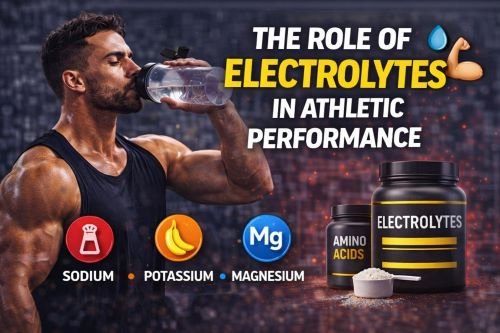
• Electrolytes are essential minerals that help regulate fluid balance, muscle contraction, and nerve signaling during exercise.
• Athletes often focus on electrolyte intake to support hydration and consistent workout performance.
• Sodium, potassium, magnesium, and calcium are among the most important electrolytes involved in athletic activity.
• Electrolytes are lost through perspiration during exercise and must be replenished to maintain fluid balance.
• Proper hydration strategies often include water along with electrolyte-rich foods or beverages.
• Balanced nutrition, hydration, and recovery remain essential components of athletic performance.
The Role of Electrolytes in Athletic Performance
Athletic performance depends on many physiological processes working together efficiently. Among the most important contributors to physical performance are electrolytes, which play a crucial role in maintaining fluid balance, muscle function, and nerve signaling during exercise.
Electrolytes are minerals that carry an electrical charge when dissolved in body fluids. This electrical activity helps regulate several functions that are directly related to movement and physical activity.
When athletes train, especially during intense workouts, the body loses fluids through perspiration. Along with water, certain electrolytes are also lost. Maintaining proper electrolyte balance becomes an important part of supporting consistent athletic performance.
Understanding how electrolytes function in the body can help athletes develop hydration and nutrition strategies that support training routines and recovery.
What Are Electrolytes?
Electrolytes are minerals that dissolve in body fluids and carry electrical charges. These minerals play a role in several physiological processes that support exercise and physical activity.
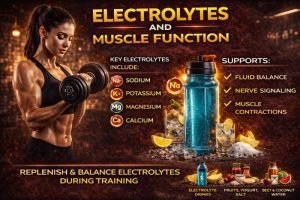
Electrolytes help regulate:
• fluid balance within the body
• muscle contractions
• nerve signaling
• cellular communication
These functions are especially important during exercise because muscles rely on electrical signals from nerves to contract and generate force.
The primary electrolytes involved in athletic performance include:
• sodium
• potassium
• magnesium
• calcium
• chloride
Each of these minerals contributes to normal physiological processes associated with physical activity.
Sodium and Fluid Balance
Sodium is one of the most important electrolytes involved in hydration and fluid regulation.
During exercise, the body loses sodium through perspiration. Replenishing sodium can help maintain fluid balance during prolonged activity.
Sodium contributes to:
• maintaining hydration levels
• regulating fluid balance between cells
• supporting nerve signaling
Athletes who perform intense or long-duration workouts often focus on sodium intake as part of their hydration strategies.
Many electrolyte beverages include sodium to help support fluid balance during exercise.
Potassium and Muscle Function
Potassium plays an important role in muscle contraction and nerve communication.
This electrolyte helps regulate electrical signals between nerves and muscle cells, which allows muscles to contract properly during physical activity.
Potassium is also involved in maintaining fluid balance inside muscle cells.
Foods that naturally contain potassium include:
• bananas
• potatoes
• leafy greens
• beans
• avocados
Athletes who consume balanced diets typically obtain potassium through whole foods.
Maintaining potassium intake supports normal muscle function during exercise.
Magnesium and Energy Metabolism
Magnesium is involved in hundreds of biochemical reactions within the body, including those related to energy metabolism.
This mineral plays a role in processes that help the body produce energy from nutrients.
Magnesium also contributes to:
• muscle function
• nerve signaling
• protein synthesis
Athletes often focus on magnesium intake as part of a balanced nutrition plan.
Magnesium-rich foods include:
• nuts
• seeds
• whole grains
• leafy vegetables
Including magnesium in the diet supports various metabolic functions associated with physical activity.
Calcium and Muscle Contraction
Calcium is widely recognized for its role in supporting bone structure, but it also contributes to muscle contraction.
When nerves send signals to muscles, calcium helps trigger the contraction process that allows muscles to generate force.
During exercise, repeated muscle contractions rely on this signaling process.
Calcium also contributes to normal nerve function and cellular communication.
Dairy products, fortified foods, and certain vegetables provide calcium as part of a balanced diet.
Electrolytes and Hydration
Hydration is one of the most important factors influencing athletic performance.
Water helps regulate body temperature, transport nutrients, and support muscle function during exercise.
However, hydration is not only about water intake. Electrolytes play an important role in helping the body retain and distribute fluids.
When athletes sweat, they lose both water and electrolytes. Replacing fluids along with electrolytes can help maintain proper hydration during prolonged workouts.
Athletes often consider hydration strategies based on:
• workout intensity
• environmental conditions
• duration of exercise
Maintaining hydration supports circulation and overall physical performance.
Electrolytes During Intense Exercise
During intense or extended workouts, perspiration increases as the body works to regulate temperature.
Along with water, sweat contains electrolytes that must be replenished to maintain balance.
Athletes who perform endurance activities such as running, cycling, or high-intensity training often focus on maintaining hydration and electrolyte intake.
Electrolyte beverages, hydration powders, and sports drinks are commonly used to support fluid replacement during workouts.
For shorter training sessions, water alone may be sufficient for hydration.
Athletes often adjust hydration strategies depending on the demands of their training sessions.
Electrolyte-Rich Foods
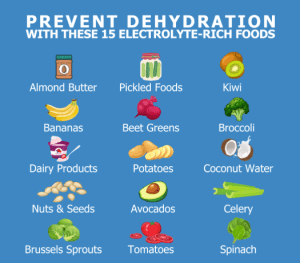
While sports drinks and supplements are commonly used during training, many electrolyte minerals are naturally found in everyday foods.
Examples include:
Sodium Sources
• table salt
• soups
• broths
• pickled foods
Potassium Sources
• bananas
• sweet potatoes
• beans
• spinach
Magnesium Sources
• almonds
• pumpkin seeds
• whole grains
• dark leafy greens
Calcium Sources
• dairy products
• fortified plant-based milk
• broccoli
• tofu
Including these foods as part of a balanced diet helps support electrolyte intake throughout the day.
Electrolyte Supplements in Sports Nutrition
Many sports nutrition supplements include electrolytes as part of their ingredient profile.
Electrolytes are commonly included in products designed to support hydration and workout performance.
Common ingredients in electrolyte supplements include:
• sodium
• potassium
• magnesium
• calcium
These minerals are frequently included in hydration products used before, during, or after workouts.
Electrolyte supplements are often used alongside water intake and balanced nutrition.
*These statements have not been evaluated by the Food and Drug Administration. Dietary supplements are not intended to diagnose, treat, cure, or prevent any disease.
Supporting Athletic Performance With Hydration
Athletes often develop hydration routines that support their training schedules.
Maintaining proper fluid intake before workouts helps prepare the body for exercise.
During workouts, hydration helps regulate body temperature and support muscle function.
After workouts, fluid intake contributes to recovery and restoration of hydration levels.
Electrolytes are often included in hydration strategies because they help regulate fluid balance within the body.
Combining hydration with balanced nutrition helps athletes maintain consistent workout performance.
Training Strategies and Performance Support
Many athletes combine proper hydration with structured training programs and balanced nutrition.
Sports nutrition products are sometimes incorporated into training routines to complement workout preparation.
For example, pump-support formulas such as Nitric Pump are often included in pre-workout routines designed to support circulation and muscular engagement during resistance training.
These products are commonly used alongside structured strength programs and hydration strategies.
Final Thoughts
Electrolytes play an essential role in supporting athletic performance by helping regulate fluid balance, muscle contraction, and nerve signaling.
Because exercise increases perspiration and fluid loss, maintaining electrolyte balance becomes an important part of hydration strategies for many athletes.
Balanced nutrition, proper hydration, and structured training routines remain the foundation of athletic performance.
Understanding the role of electrolytes can help athletes develop hydration habits that support consistent workouts and long-term fitness goals.
References
American College of Sports Medicine. Nutrition and Athletic Performance Guidelines.
Sawka, M. N., et al. (2007). Exercise and fluid replacement. Medicine & Science in Sports & Exercise.
Phillips, S. M. (2014). Exercise and muscular adaptations. Sports Medicine.
National Strength and Conditioning Association. Essentials of Strength Training and Conditioning.
Schoenfeld, B. J. (2010). Resistance training and muscular adaptation. Journal of Strength and Conditioning Research.
Wackerhage, H., et al. (2019). Skeletal muscle adaptation and exercise stimuli. Sports Medicine.
Common Questions (FAQ)
What are electrolytes?
Electrolytes are minerals that carry electrical charges and help regulate fluid balance, muscle contractions, and nerve signals in the body.
Why are electrolytes important for athletes?
Electrolytes help maintain hydration, support muscle function, and assist with nerve communication during exercise.
Which electrolytes are most important for workouts?
Sodium, potassium, magnesium, and calcium are among the most important electrolytes involved in physical activity.
Can electrolytes be obtained from food?
Yes. Many foods naturally contain electrolytes, including fruits, vegetables, dairy products, and whole grains.
Do athletes need electrolyte supplements?
Some athletes include electrolyte beverages or supplements during intense or long workouts, though many electrolytes can be obtained through balanced nutrition.
Is water alone enough for hydration?
For shorter workouts, water is often sufficient. During prolonged or intense exercise, electrolytes may help support fluid balance.