Blog
Why Muscle Recovery Is Just as Important as Training 💪


Quick Summary (Key Takeaways)
Muscle recovery is essential for supporting strength, performance, and long-term training consistency.
During recovery, muscles repair and adapt to training stress, preparing the body for future workouts.
Key recovery factors include sleep, hydration, balanced nutrition, rest days, and proper training programming.
Ignoring recovery may limit workout performance and make it harder to maintain consistent training progress.
Active recovery strategies such as mobility work, stretching, and light activity can complement intense workouts.
Many athletes combine recovery habits with structured training and sports nutrition strategies to support their routines.
Why Muscle Recovery Is Just as Important as Training
In the world of strength training and bodybuilding, much attention is placed on intense workouts, heavy weights, and pushing physical limits. While training sessions are essential for building strength and improving performance, the process that happens after the workout is just as important.
Muscle recovery plays a vital role in helping the body adapt to resistance training. Without proper recovery, even the most effective workout programs may not produce the desired results.
Athletes, bodybuilders, and fitness enthusiasts often discover that consistent progress depends on finding the right balance between training intensity and recovery time. Understanding why recovery matters—and how to support it—can help athletes maintain steady improvement in their fitness routines.
What Happens to Muscles During Training
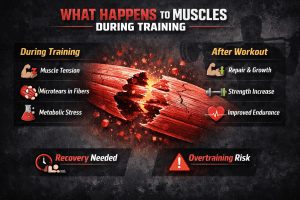
Resistance training challenges muscle fibers through repeated contractions and mechanical stress. When a person lifts weights or performs bodyweight exercises, muscles experience tension that temporarily alters the structure of muscle fibers.
These changes are a natural part of the training process.
After a workout, the body begins a series of adaptive responses that help muscles adjust to the training stimulus. Over time, these adaptations support greater strength, improved endurance, and enhanced muscular performance.
However, this process requires adequate recovery time. Training repeatedly without proper recovery may prevent muscles from fully adapting to previous workouts.
Why Recovery Matters for Athletes
Muscle recovery is more than simply resting after exercise. It involves several physiological processes that support the body’s ability to adapt to training stress.
Recovery allows muscles to:
Restore energy stores
Support normal muscle repair processes
Rehydrate tissues after intense exercise
Prepare for the next training session
When athletes allow sufficient time for recovery, they often notice improved training performance and better consistency in their workouts.
Many experienced coaches emphasize that training stimulates the muscles, but recovery supports the body’s adaptation to that stimulus.
The Role of Sleep in Muscle Recovery
Sleep is one of the most powerful recovery tools available to athletes. During sleep, the body performs many restorative functions that support overall wellness and physical performance.
Deep sleep cycles allow the body to:
Restore energy levels
Support normal hormonal balance
Assist with physical recovery processes
Promote overall athletic readiness
Athletes who maintain consistent sleep schedules often report feeling more energized and focused during workouts.
Most experts recommend 7–9 hours of sleep per night for individuals engaged in regular strength training or athletic activity.
Quality sleep can significantly influence how the body responds to exercise and recovery.
Nutrition and Muscle Recovery
Nutrition plays a central role in supporting recovery after intense workouts.
Following resistance training, muscles require nutrients that help support normal repair and adaptation processes. Athletes often focus on balanced meals that include proteins, carbohydrates, and healthy fats.
Protein
Protein provides amino acids that support normal muscle maintenance and repair.
Many athletes aim to include protein in meals following workouts to complement their training routines.
Carbohydrates
Carbohydrates help replenish glycogen stores within muscles. Glycogen is the primary fuel used during many types of resistance and endurance training.
Restoring glycogen levels helps athletes prepare for future training sessions.
Healthy Fats
Healthy fats support overall nutrition and help maintain balanced energy intake.
Including a variety of nutrient-dense foods helps athletes maintain the energy levels needed for consistent training.
Hydration and Its Impact on Recovery
Hydration is another important component of the recovery process.
Water supports circulation, nutrient transport, and temperature regulation during and after workouts.
When the body becomes dehydrated, physical performance may decline, and recovery may take longer.
Athletes often maintain hydration by:
Drinking water throughout the day
Consuming fluids during workouts
Replacing fluids after exercise
Maintaining proper hydration helps support normal muscle function and overall athletic performance.
The Importance of Rest Days
Many athletes believe that training every day leads to faster progress. However, rest days are an important part of any well-structured workout program.
Rest days allow the body to recover from the stress of previous workouts and prepare for future training sessions.
Taking scheduled rest days may help athletes:
Maintain consistent energy levels
Reduce fatigue from repetitive training
Support long-term workout sustainability
Experienced lifters often include one or two rest days each week as part of their training programs.
These recovery periods can help maintain training quality and prevent excessive fatigue.
Active Recovery Strategies
Recovery does not always mean complete inactivity. Many athletes incorporate active recovery techniques that allow the body to recover while still promoting gentle movement.
Active recovery activities may include:
Light walking
Stretching routines
Yoga or mobility exercises
Low-intensity cycling
Foam rolling
These activities encourage circulation and help maintain flexibility without placing heavy stress on the muscles.
Active recovery sessions are often used between intense training days.
Stretching and Mobility Work

Mobility training is another valuable recovery strategy.
Stretching and mobility exercises can help maintain joint range of motion and support movement quality during workouts.
Athletes frequently perform stretching routines after training sessions or on rest days.
Regular mobility work may help support better movement patterns during resistance training exercises.
Maintaining flexibility and mobility contributes to long-term training consistency.
The Mental Side of Recovery
Recovery also includes mental and psychological aspects.
Intense training schedules can place demands on both the body and the mind. Taking time to recover allows athletes to reset mentally and maintain motivation.
Mental recovery strategies may include:
Relaxation techniques
Spending time outdoors
Light recreational activities
Meditation or breathing exercises
Maintaining mental balance can help athletes approach workouts with renewed focus and enthusiasm.
Sports Nutrition and Recovery Support
Many athletes combine structured recovery habits with sports nutrition products that complement their training routines.
Certain supplements are commonly used to support workout preparation, endurance, and recovery strategies.
Some commonly used ingredients include:
Creatine
Electrolytes
Amino acids
Beta-alanine
L-citrulline
These ingredients are often included in sports nutrition formulas designed for individuals engaged in regular physical training.*
*These statements have not been evaluated by the Food and Drug Administration. Dietary supplements are not intended to diagnose, treat, cure, or prevent any disease.
Building a Balanced Training and Recovery Routine
The most successful athletes understand that progress comes from balancing intense training with effective recovery strategies.
Training stimulates the body, while recovery allows the body to adapt and prepare for future workouts.
A balanced routine may include:
Structured strength training
Scheduled rest days
Consistent sleep habits
Proper hydration
Balanced nutrition
Mobility and active recovery sessions
Athletes who consistently follow these habits often experience improved performance and sustainable long-term progress.
Supporting Your Training with the Right Performance Supplements
Many athletes complement their training routines with sports nutrition products designed to support workout performance.
For example, some lifters use pump-focused supplements before training sessions to support circulation and workout intensity. Products such as Nitric Pump may fit naturally into pre-workout routines designed for strength training and bodybuilding.
*Always follow product instructions and consult a qualified professional if you have questions about supplement use.
Final Thoughts
Training hard is essential for building strength and improving athletic performance, but recovery is equally important. The body adapts to training during rest periods, making recovery a vital part of the muscle development process.
Sleep, nutrition, hydration, mobility work, and scheduled rest days all contribute to effective recovery strategies.
By prioritizing recovery alongside training, athletes can support consistent progress and maintain long-term fitness routines.
Understanding the importance of recovery helps athletes train smarter, maintain energy levels, and enjoy a more balanced approach to strength training and fitness.
References
Schoenfeld, B. (2010). The mechanisms of muscle hypertrophy and their application to resistance training. Journal of Strength and Conditioning Research.
American College of Sports Medicine. (2021). Resistance Training Guidelines.
Wackerhage, H., et al. (2019). Stimuli and sensors that initiate skeletal muscle hypertrophy. Sports Medicine.
Phillips, S. (2014). A brief review of critical processes in exercise-induced muscular adaptation. Sports Medicine.
Morton, R., et al. (2019). Resistance training volume enhances muscle hypertrophy. Medicine & Science in Sports & Exercise.
National Strength and Conditioning Association. Essentials of Strength Training and Conditioning.
Common Questions (FAQ)
Why is muscle recovery important after workouts?
Muscle recovery allows the body to adapt to training stress, restore energy stores, and prepare muscles for future workouts.
How long should muscles recover after training?
Recovery time varies depending on workout intensity, but many athletes allow 24–48 hours before training the same muscle group again.
Does sleep affect muscle recovery?
Yes. Sleep supports many restorative processes that help the body recover after exercise.
What foods help support recovery after workouts?
Balanced meals containing protein, carbohydrates, and healthy fats can complement post-workout recovery routines.
Is it okay to train every day?
Many athletes include rest days in their training schedule to support recovery and maintain long-term performance.
Do supplements help with recovery routines?
Some athletes include sports nutrition supplements alongside training and nutrition strategies to support their overall workout routines.