Blog
Beginner Guide to Bodybuilding Supplements 💪

Quick Summary (Key Takeaways)
Bodybuilding supplements are designed to support training routines, nutrition, and recovery goals.
Beginners should prioritize proper training, balanced nutrition, and consistency before relying heavily on supplements.
Popular supplements used by bodybuilders include protein powders, creatine, pre-workouts, amino acids, and hydration formulas.
Supplements are typically intended to complement a healthy diet, not replace whole foods.
Choosing high-quality products from reputable brands can help ensure label transparency and ingredient accuracy.
Beginners often benefit from starting with a few foundational supplements rather than complex stacks.
Introduction
Entering the world of bodybuilding can be exciting, but it can also feel overwhelming. Walk into almost any gym or browse a fitness website and you’ll quickly notice the wide range of supplements marketed toward athletes and bodybuilders. Protein powders, pre-workouts, creatine formulas, amino acids, hydration products, and pump-support supplements are just a few of the many options available.
For beginners, understanding what bodybuilding supplements are, how they work, and which ones are commonly used can help simplify the process. While supplements can play a role in supporting training routines, they are typically just one piece of the overall fitness puzzle.
Successful bodybuilding programs usually focus on three main foundations:
Consistent resistance training
Balanced nutrition
Adequate recovery
Supplements are often used to help complement these areas. This beginner guide explores common types of bodybuilding supplements, how athletes typically use them, and practical tips for selecting the right products when starting a fitness journey.
What Are Bodybuilding Supplements?
Bodybuilding supplements are products formulated to support individuals who engage in strength training, resistance exercise, or athletic performance routines.
These products often contain ingredients such as:
Protein
Amino acids
Creatine
Vitamins and minerals
Plant extracts
Hydration-support ingredients
Many supplements are designed to support energy before workouts, nutrient intake after training, or general nutritional balance for athletes.
It’s important to understand that supplements are usually intended to supplement the diet, meaning they are used alongside balanced meals rather than replacing them.
Why Athletes Use Supplements
Athletes and bodybuilders may use supplements for several reasons. Training programs often require increased attention to nutrition and recovery, especially when workouts become more intense.
Some common reasons individuals incorporate supplements into their routines include:
Supporting daily protein intake
Convenience for post-workout nutrition
Supporting energy levels before training
Replenishing electrolytes during workouts
Supporting recovery after intense exercise
Because individual goals and routines vary, supplement use can differ from one athlete to another.
The Most Common Bodybuilding Supplements for Beginners
Although the supplement market is extensive, beginners often start with a few foundational categories.
Protein Supplements
Protein is one of the most widely used supplements in the fitness industry. Protein powders are typically derived from sources such as:
Whey protein
Casein protein
Egg protein
Plant-based proteins (pea, rice, or soy)
Protein provides amino acids that support normal muscle repair after exercise. Many athletes consume protein shakes after workouts because they are convenient and easy to prepare.
Protein supplements can also be useful for individuals who have difficulty meeting their daily protein intake through food alone.
Creatine
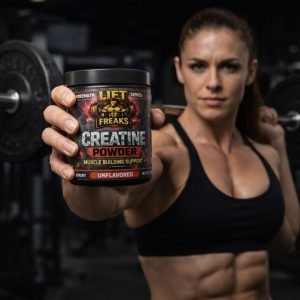
Creatine is a naturally occurring compound found in muscle cells and certain foods. It is commonly used by athletes involved in strength training.
Creatine supplements are often used in the form of creatine monohydrate, which has been widely studied in sports nutrition research.
Creatine is frequently included in training routines that focus on short bursts of high-intensity exercise, such as weightlifting or sprinting.
Many athletes consume creatine daily as part of their workout routine.
Pre-Workout Supplements
Pre-workout formulas are designed to be taken before training sessions. These products often contain a combination of ingredients that may include:
Caffeine
Amino acids
Creatine
Beta-alanine
Nitric oxide–support ingredients
Pre-workout supplements are commonly used by athletes who want to support their focus and energy levels before training.
Because formulas vary widely, beginners often start with lower serving sizes to assess their tolerance.
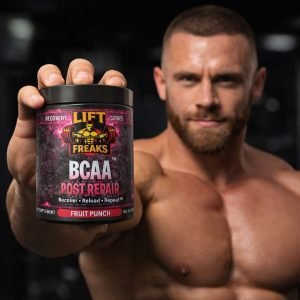
Amino Acid Supplements
Amino acids are the building blocks of protein. Some supplements contain individual amino acids or combinations known as branched-chain amino acids (BCAAs) or essential amino acids (EAAs).
These products are sometimes used by athletes during or after workouts as part of their nutrition strategy.
Amino acid supplements are commonly available in powder or capsule form.
Hydration and Electrolyte Supplements
Hydration products are designed to support fluid and electrolyte balance during exercise. These formulas may contain ingredients such as:
Sodium
Potassium
Magnesium
Calcium
Trace minerals
Athletes who train intensely or for extended periods sometimes include electrolyte formulas in their routines to support hydration during workouts.
Supplements Beginners Should Approach Carefully
While supplements can be helpful, beginners should avoid feeling pressured to purchase large numbers of products immediately.
Many experienced coaches recommend starting with a small number of foundational supplements, such as:
Protein powder
Creatine
Hydration support
More advanced supplements can be explored later once training routines become more consistent.
Focusing on the basics can help beginners learn how their body responds to different products before building a more complex supplement stack.

Whole Foods Still Matter Most
Although supplements are widely used in bodybuilding, whole foods remain the foundation of most nutrition plans.
Athletes often focus on meals that include:
Lean protein sources (chicken, fish, eggs, tofu)
Complex carbohydrates (rice, oats, potatoes)
Healthy fats (nuts, seeds, avocado)
Fruits and vegetables
Whole foods provide vitamins, minerals, fiber, and other nutrients that are not always present in supplement formulas.
Supplements typically work best when they are used to fill nutritional gaps rather than replace balanced meals.
How to Choose High-Quality Supplements
With thousands of products available, selecting supplements can be confusing. Beginners can use a few simple guidelines when evaluating products.
Look for Transparent Labels
Products that clearly list ingredient amounts help consumers understand what they are taking.
Choose Reputable Brands
Companies with established reputations often follow higher quality standards in manufacturing.
Avoid Overly Complex Formulas
Supplements that contain extremely long ingredient lists may not always be necessary for beginners.
Check for Third-Party Testing
Some companies provide third-party testing to verify ingredient quality and purity.
These steps can help athletes make more informed decisions when selecting supplements.
Common Supplement Timing Strategies
Athletes often take supplements at specific times throughout the day depending on the type of product.
Typical timing strategies may include:
Pre-Workout:
Taken about 20–30 minutes before training.
Post-Workout:
Protein shakes are often consumed after exercise.
Daily Supplements:
Creatine and vitamins are frequently taken once per day.
These timing strategies can vary based on individual preferences and training routines.
Avoiding Common Beginner Mistakes
Beginners sometimes make a few common mistakes when starting supplements.
Buying Too Many Products
Starting with a large supplement stack can make it difficult to determine what works best.
Ignoring Nutrition
Supplements cannot replace balanced meals.
Skipping Recovery
Sleep, hydration, and rest days are just as important as training.
Expecting Immediate Results
Fitness progress takes time, and supplements are only one part of the process.
By focusing on training consistency and balanced nutrition, beginners can build sustainable habits.
Final Thoughts
Bodybuilding supplements can be a helpful addition to a structured training program, but they work best when combined with consistent workouts, balanced nutrition, and proper recovery.
For beginners, the key is to keep things simple. Starting with a few foundational supplements and gradually learning how they fit into a training routine can help create a sustainable approach to fitness.
Understanding how supplements support an active lifestyle allows athletes to make informed decisions and focus on the habits that matter most: dedication, consistency, and long-term commitment to training.
References
Kerksick, C. et al. (2018). International Society of Sports Nutrition Position Stand: Nutrient Timing. Journal of the International Society of Sports Nutrition.
Kreider, R. et al. (2017). International Society of Sports Nutrition Position Stand: Creatine Supplementation. JISSN.
Morton, R. et al. (2018). Protein Supplementation and Muscle Mass Research. British Journal of Sports Medicine.
American College of Sports Medicine. (2019). Nutrition and Athletic Performance Guidelines.
Phillips, S. (2014). Dietary Protein Requirements and Exercise. Sports Medicine.
Jäger, R. et al. (2017). International Society of Sports Nutrition Position Stand: Protein and Exercise. JISSN.
Common Questions (FAQ)
What supplements should beginners start with?
Many beginners start with protein powder, creatine, and hydration formulas because they are widely used in strength training programs.
Are supplements necessary for bodybuilding?
Supplements are optional. Many athletes focus on training and nutrition first before adding supplements to their routine.
How long does it take to see results from supplements?
Results vary depending on training consistency, nutrition, and individual factors. Supplements typically support long-term routines rather than providing instant changes.
Can beginners take pre-workout supplements?
Some beginners use pre-workout formulas, but starting with smaller servings can help assess tolerance.
Is protein powder required for bodybuilding?
Protein powder is not required, but it can be a convenient way to increase protein intake when needed.
Should supplements replace meals?
No. Supplements are intended to complement a balanced diet rather than replace whole foods.