Blog
The Role of Hydration in Muscle Performance 💪

Quick Summary (Key Takeaways)
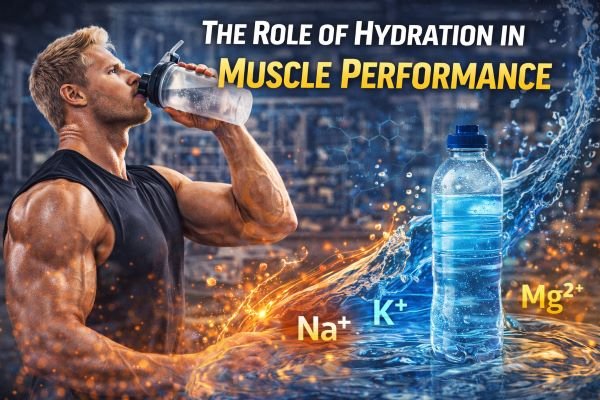
Hydration plays a crucial role in muscle performance, workout endurance, and overall physical activity.
Water supports circulation, nutrient transport, temperature regulation, and muscle function during exercise.
Even mild dehydration may reduce energy levels, focus, and training intensity during workouts.
Athletes often combine water intake with electrolytes such as sodium, potassium, and magnesium to maintain fluid balance.
Proper hydration before, during, and after workouts helps support consistent training routines and recovery.
Balanced nutrition, hydration habits, and structured workouts work together to support long-term athletic performance.
The Role of Hydration in Muscle Performance
When athletes think about improving workout performance, they often focus on training routines, exercise selection, and nutrition. However, one of the most important—and sometimes overlooked—factors in athletic performance is hydration.
Water plays a fundamental role in nearly every process within the body, including muscle contraction, nutrient transport, circulation, and temperature regulation during exercise. For individuals engaged in strength training, bodybuilding, or athletic performance, maintaining proper hydration can significantly influence how effectively the body performs during workouts.
Whether someone is lifting weights, performing high-intensity training, or engaging in endurance exercise, hydration helps support muscle function and overall physical performance.
Understanding how hydration influences muscle performance allows athletes to develop habits that support consistent training and recovery.
Why Hydration Matters for Athletes
The human body is composed largely of water, with muscles themselves containing a high percentage of fluid. Because of this, maintaining proper hydration is essential for physical activity.
During exercise, the body loses water through sweat as it works to regulate temperature. This natural cooling mechanism helps maintain a stable internal environment during intense activity.
If fluids are not replaced during or after exercise, the body’s hydration levels can decline.
Proper hydration helps support several important physiological functions, including:
Circulation of oxygen and nutrients
Muscle contraction and relaxation
Joint lubrication
Body temperature regulation
Energy metabolism during exercise
When hydration levels are balanced, athletes often experience better endurance and training consistency.
How Hydration Supports Muscle Function
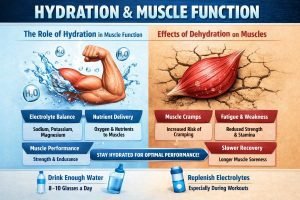
Muscle contractions depend on complex physiological processes that involve fluid balance and electrolyte activity.
When a muscle contracts during exercise, nerve signals trigger the movement of ions such as sodium, potassium, and calcium across muscle cell membranes. These movements enable muscle fibers to contract and relax.
Water plays a critical role in maintaining the fluid environment that allows these processes to occur efficiently.
Hydration supports muscle performance in several ways.
Circulation
Water helps maintain blood volume, which supports circulation throughout the body.
Adequate circulation helps deliver oxygen and nutrients to muscles during exercise.
Nutrient Transport
Water assists in transporting nutrients such as glucose, amino acids, and electrolytes to muscle cells during workouts.
Muscle Engagement
Proper hydration helps support the environment needed for normal muscle contraction during resistance training.
For athletes seeking to maintain consistent training performance, hydration is a key factor in supporting muscular activity.
Hydration and Exercise Performance
Hydration habits can influence how athletes feel during workouts.
When fluid intake is sufficient, athletes may experience:
Improved workout endurance
Greater training intensity
Better temperature regulation
Sustained energy levels during exercise
On the other hand, when hydration levels drop, athletes may notice reduced performance during workouts.
Maintaining fluid balance allows the body to function efficiently during physical activity.
Electrolytes and Fluid Balance
Electrolytes are minerals that help regulate fluid balance and muscle activity.
The most common electrolytes involved in hydration include:
Sodium
Potassium
Magnesium
Calcium
These minerals help control fluid movement between cells and support nerve signaling involved in muscle contractions.
During exercise, electrolytes can be lost through sweat. For this reason, many athletes include electrolyte-containing beverages during longer training sessions or intense workouts.
Maintaining proper electrolyte balance helps support hydration and muscle function.
Hydration Before Workouts
Preparing the body for exercise begins before entering the gym.
Athletes often begin hydrating several hours before training to help maintain fluid balance.
Drinking water before workouts helps support:
Circulation during exercise
Muscle engagement
Temperature regulation
Some athletes also include electrolyte beverages before workouts, especially when training in warm environments or during longer sessions.
Balanced hydration before workouts helps prepare the body for physical activity.
Hydration During Workouts
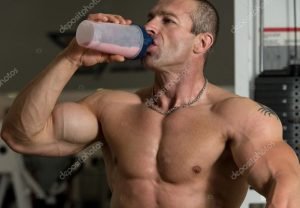
During exercise, the body continues to lose fluids through sweat.
Drinking water during workouts helps replace fluids lost during activity.
Athletes often take small sips of water between sets or during rest periods.
For longer or more intense workouts, some athletes may include beverages containing electrolytes to help maintain fluid balance.
Hydration during exercise helps support endurance and maintain consistent training performance.
Hydration After Workouts
After training sessions, rehydration is an important part of recovery.
Replacing fluids lost during exercise helps restore the body’s fluid balance and supports recovery processes.
Many athletes combine post-workout hydration with balanced meals containing carbohydrates and protein.
These nutrients help support muscle recovery and prepare the body for future workouts.
Rehydration is particularly important after intense workouts or when exercising in warm environments.
Signs the Body Needs More Hydration
Athletes often learn to recognize signals that indicate the body may need additional fluids.
Some signs may include:
Feeling thirsty
Reduced workout intensity
Fatigue during exercise
Dark-colored urine
Monitoring hydration throughout the day helps athletes maintain fluid balance and support consistent training routines.
Drinking water regularly rather than waiting until thirst occurs is often recommended for individuals engaged in regular exercise.
Hydration and the Muscle Pump
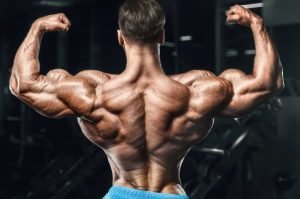
Many bodybuilders enjoy the muscle pump sensation that occurs during resistance training.
The pump happens when increased blood flow fills working muscles during exercise, creating temporary muscle fullness.
Hydration plays a role in this process because water helps maintain blood volume and circulation.
Athletes who stay properly hydrated often find that their muscles feel fuller and more engaged during workouts.
Combining hydration with balanced nutrition and pump-focused training methods can support strong workout sessions.
Sports Nutrition and Hydration Support
Many athletes incorporate sports nutrition products alongside hydration strategies.
Certain ingredients commonly found in sports nutrition formulas include:
Electrolytes
Creatine
L-citrulline
Beta-alanine
Nitrate-containing plant extracts
These ingredients are often included in supplements designed to complement workout preparation and athletic performance.
Building Strong Hydration Habits
Developing consistent hydration habits helps support long-term training success.
Athletes often follow several hydration strategies throughout the day.
Drink Water Regularly
Consuming water consistently helps maintain fluid balance before workouts begin.
Monitor Hydration Levels
Athletes often monitor hydration by observing thirst levels and urine color.
Replace Fluids After Training
Rehydrating after workouts helps restore fluids lost during exercise.
Combine Hydration With Nutrition
Balanced meals and hydration work together to support overall performance.
When hydration becomes a consistent habit, athletes may notice improved workout endurance and overall training consistency.
Final Thoughts
Hydration plays a fundamental role in supporting muscle performance, workout endurance, and overall physical activity.
Water supports circulation, nutrient transport, temperature regulation, and muscle engagement during exercise. For athletes engaged in resistance training or bodybuilding, maintaining proper hydration helps support consistent workout performance.
By focusing on hydration before, during, and after workouts, athletes can support their bodies as they train and recover.
Combining hydration with balanced nutrition, structured workouts, and recovery habits creates a foundation for long-term athletic performance.
For individuals seeking to maximize their training routines, hydration remains one of the simplest and most effective habits to maintain.
References
American College of Sports Medicine. (2021). Hydration and Athletic Performance Guidelines.
Sawka, M. N., et al. (2007). Exercise and fluid replacement. Medicine & Science in Sports & Exercise.
Phillips, S. M. (2014). Exercise and muscular adaptations. Sports Medicine.
Schoenfeld, B. J. (2010). The mechanisms of muscle hypertrophy and their application to resistance training. Journal of Strength and Conditioning Research.
Wackerhage, H., et al. (2019). Stimuli and sensors that initiate skeletal muscle hypertrophy. Sports Medicine.
National Strength and Conditioning Association. Essentials of Strength Training and Conditioning.
Common Questions (FAQ)
Why is hydration important for muscle performance?
Hydration helps support circulation, nutrient delivery, and muscle engagement during physical activity.
How much water should athletes drink before workouts?
Fluid needs vary by individual, but many athletes begin hydrating several hours before exercise to support fluid balance.
Are electrolytes important during workouts?
Electrolytes help regulate fluid balance and support muscle activity during exercise.
Can dehydration affect workout performance?
Lower hydration levels may reduce workout intensity and endurance during physical activity.
Should athletes drink water during workouts?
Yes. Drinking water during workouts helps replace fluids lost through sweat.
Do supplements replace hydration?
No. Supplements are typically used to complement hydration and balanced nutrition rather than replace them.