Blog
The Science of Workout Intensity 💪


Quick Summary (Key Takeaways)
Workout intensity refers to how hard your body is working during exercise relative to your maximum capacity.
Higher intensity training can increase muscular engagement and training efficiency.
Intensity can be adjusted through weight, repetitions, rest periods, tempo, and exercise selection.
Strength athletes and bodybuilders often use structured training methods to manage workout intensity.
Recovery, nutrition, and sleep play key roles in supporting consistent training intensity.
Understanding intensity helps athletes design workouts that align with their fitness goals.
Introduction
When people talk about getting stronger, building muscle, or improving athletic performance, one concept frequently comes up: workout intensity. In the world of bodybuilding and strength training, intensity is often viewed as one of the most important variables that influence how muscles respond to exercise.
However, workout intensity is sometimes misunderstood. Many assume it simply means lifting the heaviest weights possible or training until exhaustion every session. In reality, intensity involves several training variables that work together to determine how challenging a workout is for the body.
From resistance training to endurance workouts, understanding how intensity works can help athletes and fitness enthusiasts train more effectively. This article explores the science behind workout intensity, how it affects training, and practical ways to apply intensity principles in the gym.
What Is Workout Intensity?

Workout intensity refers to the level of effort required during physical activity. It describes how demanding an exercise is relative to an individual’s maximum capacity.
In resistance training, intensity is often measured using the concept of percentage of one-repetition maximum (1RM). The one-repetition maximum represents the heaviest weight an individual can lift for a single repetition with proper form.
For example:
Lifting at 60% of 1RM would typically allow higher repetitions.
Lifting at 85–90% of 1RM generally involves lower repetitions but greater effort.
Intensity can also be described using perceived exertion, which refers to how hard a workout feels during exercise.
Understanding intensity helps athletes balance training challenges with adequate recovery.
Why Workout Intensity Matters
Workout intensity plays a significant role in how the body adapts to exercise. During resistance training, muscles experience mechanical tension and metabolic stress, which contribute to physical adaptations over time.
Appropriate training intensity may support:
Increased muscle engagement
Strength development
Improved workout efficiency
Adaptation to progressively greater training demands
Athletes often manipulate workout intensity throughout their training programs to help maintain progress while avoiding excessive fatigue.
Key Factors That Influence Workout Intensity
Several variables can affect the intensity of a workout. By adjusting these variables, athletes can design training programs that challenge the body in different ways.
Weight or Resistance
The most obvious factor influencing intensity is the amount of weight being lifted.
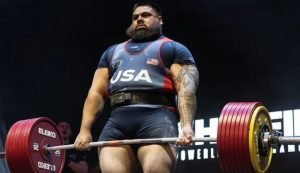
Heavier loads generally increase intensity because muscles must generate more force to move the weight. Strength-focused programs often incorporate heavier resistance with fewer repetitions.
However, lighter weights performed with higher repetitions can also create significant training intensity.
Repetition Range
The number of repetitions performed in each set can influence workout intensity.
Typical repetition ranges include:
1–5 repetitions: strength-focused training
6–12 repetitions: common for bodybuilding routines
12–20 repetitions: endurance-oriented training
Different repetition ranges can challenge muscles in unique ways, and many athletes include multiple ranges within their programs.
Rest Periods
Rest intervals between sets play an important role in determining workout intensity.
Shorter rest periods often increase metabolic demand because muscles have less time to recover between sets.
Typical rest ranges include:
30–60 seconds: higher metabolic demand
60–90 seconds: moderate recovery
2–3 minutes: longer recovery for heavy lifts
Adjusting rest intervals is a common strategy used by bodybuilders to maintain workout intensity.

Time Under Tension
Time under tension refers to how long a muscle remains engaged during a set.
Slower, controlled repetitions increase time under tension, which can increase the overall challenge of the exercise.
For example, lowering a weight slowly during the eccentric phase of a movement may increase muscular engagement without increasing load.
Exercise Selection
Certain exercises naturally create higher levels of intensity due to the number of muscles involved.
Compound exercises such as:
Squats
Deadlifts
Bench presses
Pull-ups
engage multiple muscle groups simultaneously and often require greater effort compared to isolation exercises.
Isolation movements, such as biceps curls or leg extensions, are often used to focus on specific muscles.
Different Types of Training Intensity
Athletes often use different intensity strategies depending on their training goals.
Strength-Focused Intensity
Strength programs typically involve lifting heavier weights with fewer repetitions.
These routines often emphasize compound exercises and longer rest periods.
The goal is to challenge the muscles with greater resistance while maintaining proper technique.
Hypertrophy-Focused Intensity
Hypertrophy training focuses on muscular development and often uses moderate weights with moderate repetition ranges.
Many bodybuilding programs incorporate:
6–12 repetitions per set
moderate rest periods
multiple sets per exercise
This training style can create a combination of mechanical tension and metabolic stress.
Endurance-Focused Intensity

Muscular endurance training typically involves lighter weights performed for higher repetitions.
This style of training challenges muscles to perform repeated contractions over extended periods.
Endurance-based training is commonly used by athletes in sports requiring sustained physical effort.
Methods Bodybuilders Use to Increase Intensity
Bodybuilders often use advanced training techniques to increase the intensity of their workouts.
Supersets
A superset involves performing two exercises back-to-back with little or no rest.
For example:
Biceps curls followed immediately by triceps extensions
Supersets can increase training density and reduce total workout time.
Drop Sets
Drop sets involve reducing the weight after reaching muscular fatigue and continuing the set.
This technique extends the duration of the set and increases overall workload.
Pyramid Sets
Pyramid training gradually increases weight while reducing repetitions across sets.
Example:
Set 1: lighter weight, higher reps
Set 2: moderate weight
Set 3: heavier weight, fewer reps
Pyramid sets allow athletes to build intensity progressively during a workout.
Tempo Training
Tempo training involves controlling the speed of each phase of a lift.
For example, an athlete might lower a weight for three seconds and lift it for one second.
Manipulating tempo can increase time under tension and enhance muscle engagement.
Balancing Intensity and Recovery
Although intense workouts can challenge muscles effectively, recovery is equally important for maintaining long-term training consistency.
Recovery strategies often include:
Rest days between training sessions
Stretching or mobility exercises
Adequate sleep
Balanced nutrition
Athletes who consistently train at high intensity without proper recovery may experience reduced performance during future workouts.
Balancing effort with recovery allows the body to adapt to training over time.
Signs of Effective Training Intensity
Determining whether a workout intensity level is appropriate can vary depending on experience level and training goals.
Common indicators of effective training intensity may include:
Feeling challenged during sets
Maintaining proper form while lifting
Gradually improving strength or repetition performance over time
Athletes often adjust their training intensity based on how their body responds to different workouts.
Beginner Tips for Managing Workout Intensity
For beginners entering strength training, managing workout intensity carefully can help create a sustainable routine.
Focus on Learning Proper Technique
Before increasing intensity, beginners should prioritize correct exercise form.
Start With Moderate Intensity
Beginning with moderate weight allows the body to adapt gradually to resistance training.
Increase Intensity Gradually
Progressively increasing weight, repetitions, or training volume over time helps support steady progress.
Listen to Your Body
Paying attention to fatigue levels and recovery can help prevent overtraining.
These strategies can help beginners develop confidence while building strength safely.

Final Thoughts
Workout intensity is a fundamental concept in strength training and bodybuilding. It represents the level of effort required during exercise and can be adjusted through various training variables such as weight, repetition ranges, rest periods, and tempo.
By understanding how intensity influences workouts, athletes can design training programs that align with their goals while maintaining a balanced approach to recovery.
Whether you’re a beginner learning the basics or an experienced lifter refining your routine, managing workout intensity effectively can help support long-term progress in the gym.
Consistency, patience, and thoughtful training strategies remain key elements in building a sustainable fitness routine.
References
Schoenfeld, B. (2016). Science and Development of Muscle Hypertrophy. Human Kinetics.
American College of Sports Medicine. (2019). Resistance Training Guidelines.
Ratamess, N. (2012). ACSM Foundations of Strength Training and Conditioning.
Grgic, J. et al. (2021). Resistance Training Volume and Strength Adaptations. Sports Medicine.
Morton, R. et al. (2018). Protein Supplementation and Resistance Training Adaptations. British Journal of Sports Medicine.
International Society of Sports Nutrition. (2017). Position Stand on Resistance Training.
Common Questions (FAQ)
What does workout intensity mean?
Workout intensity refers to how hard your body is working during exercise compared to your maximum capacity.
How can I increase workout intensity safely?
Intensity can be increased gradually by adjusting weight, repetitions, rest intervals, or exercise tempo.
Is higher intensity always better?
Not necessarily. Effective training programs balance intensity with recovery to maintain consistent performance.
Do beginners need high-intensity workouts?
Beginners often benefit from moderate intensity while learning proper technique and building foundational strength.
How often should high-intensity workouts be performed?
Training frequency varies based on experience level, but many athletes alternate intense workouts with lighter recovery sessions.
What role does recovery play in intense training?
Recovery supports muscle repair and helps maintain energy levels for future workouts.