Blog
Daily Performance Supplements Athletes Use 💪


Quick Summary (Key Takeaways)
• Many athletes incorporate daily performance supplements as part of a broader fitness and nutrition strategy.
• Common supplements used by athletes include creatine, amino acids, electrolytes, vitamins, and performance-support ingredients.
• Supplements are typically used alongside structured training, balanced nutrition, and proper recovery habits.
• Protein, hydration, and micronutrients play important roles in supporting workout performance and training consistency.
• Daily supplements are often used to complement an athlete’s diet and fitness routine.
• Consistency in training, nutrition, and recovery remains the foundation of long-term athletic performance.
Daily Performance Supplements Athletes Use
Athletes and fitness enthusiasts often look for ways to support their training routines and maintain consistent performance in the gym. While exercise and balanced nutrition remain the foundation of any fitness program, many athletes also incorporate daily supplements into their routines.
Sports nutrition supplements are commonly used to complement an athlete’s overall lifestyle. These supplements may support workout preparation, energy levels during exercise, and recovery after intense training sessions.
It’s important to understand that supplements are not a replacement for a balanced diet or structured training program. Instead, they are typically used to support the nutritional needs of individuals who engage in regular physical activity.
Understanding the types of supplements athletes commonly use can help individuals make informed decisions about their fitness and nutrition strategies.
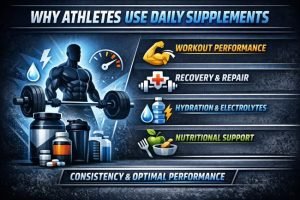
Why Athletes Use Daily Supplements
Training places physical demands on the body, especially when workouts are intense or performed frequently. Athletes often prioritize recovery, hydration, and nutrient intake to support their training routines.
Daily supplements may help athletes complement their nutritional intake and maintain consistency with their fitness goals.
Athletes commonly focus on supplements that support:
• workout performance
• recovery after training
• hydration and electrolyte balance
• nutritional intake
Because athletes train regularly, maintaining proper nutrition throughout the day becomes important for supporting consistent workouts.
Supplements are often used as convenient additions to a balanced diet.
Protein Supplements
Protein is one of the most widely used supplements in sports nutrition.
Protein provides amino acids that support muscle maintenance and recovery after exercise.
Athletes who perform resistance training often prioritize protein intake because muscle tissue is composed largely of protein structures.
Common protein supplements include:
• whey protein
• casein protein
• plant-based protein blends
Protein shakes are frequently consumed after workouts or as convenient snacks during the day.
While many athletes obtain protein through whole foods, protein supplements provide an additional option for meeting daily intake goals.
Creatine
Creatine is one of the most researched ingredients in sports nutrition.
It is naturally produced by the body and stored primarily in skeletal muscle.
Creatine plays a role in the body’s natural energy system by supporting ATP regeneration during short bursts of intense activity.
Athletes who perform strength training, sprinting, or high-intensity exercise often incorporate creatine into their daily supplement routine.
Because creatine works by increasing muscle creatine stores over time, many athletes take it consistently each day.
Creatine is commonly used alongside resistance training programs designed to improve strength and workout performance.
Amino Acid Supplements
Amino acids are the building blocks of protein and play a role in many physiological processes related to exercise.
Athletes often focus on amino acid intake as part of their overall nutrition strategy.
Some sports nutrition products contain individual amino acids or amino acid blends.
Common examples include:
• branched-chain amino acids (BCAAs)
• essential amino acids (EAAs)
• glutamine
These ingredients are frequently included in supplements designed to complement training routines.
Athletes sometimes use amino acid supplements before or during workouts as part of their performance routine.
Electrolytes and Hydration Supplements
Hydration is an important part of maintaining athletic performance.
During exercise, the body loses fluids and electrolytes through perspiration.
Electrolytes are minerals that help support fluid balance and muscle function.
Common electrolytes include:
• sodium
• potassium
• magnesium
• calcium
Athletes who train intensely or perform long-duration workouts sometimes include electrolyte supplements to support hydration.
Electrolyte beverages and powders are commonly used before, during, or after workouts.
Maintaining proper hydration helps support circulation and physical performance during exercise.
Pre-Workout Supplements
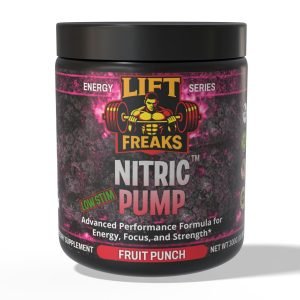
Pre-workout supplements are commonly used by athletes to prepare for training sessions.
These products often contain ingredients designed to support workout intensity and focus.
Common ingredients found in pre-workout formulas include:
• caffeine
• beta-alanine
• L-citrulline
• amino acids
Athletes often take pre-workout supplements before training sessions as part of their preparation routine.
Pre-workout products are commonly used alongside structured training programs that involve resistance exercises or high-intensity workouts.
Vitamins and Micronutrients
Athletes who train regularly often prioritize overall nutritional balance.
Vitamins and minerals play essential roles in supporting metabolic processes, energy production, and muscle function.
Common vitamins and minerals included in daily supplement routines include:
• vitamin D
• magnesium
• zinc
• B vitamins
These nutrients contribute to normal physiological processes related to exercise and physical activity.
Balanced nutrition remains the primary source of vitamins and minerals, though supplements may help complement dietary intake.
Omega Fatty Acids
Omega fatty acids are another supplement category commonly used by athletes.
These nutrients are often obtained from foods such as fish, nuts, and seeds.
Omega fatty acid supplements are frequently included in daily wellness routines because they support several physiological processes related to overall health and physical activity.
Athletes often focus on maintaining balanced nutrition that includes a variety of nutrient sources.
The Role of Balanced Nutrition
Although supplements are widely used in sports nutrition, they are most effective when combined with balanced dietary habits.
Athletes often focus on consuming whole foods that provide essential nutrients.
Key components of an athlete’s nutrition plan often include:
Protein
Protein supports muscle maintenance and recovery.
Carbohydrates
Carbohydrates provide energy for intense workouts and replenish glycogen stores.
Healthy Fats
Healthy fats support overall nutritional balance and energy intake.
Combining these nutrients with proper hydration helps support consistent training performance.
Hydration and Athletic Performance
Water supports many physiological processes related to exercise.
Hydration contributes to:
• circulation
• muscle contraction
• temperature regulation during exercise
Athletes who maintain consistent hydration habits often find it easier to sustain training intensity.
Hydration also plays an important role in post-workout recovery.
Maintaining fluid balance is an essential part of any athletic routine.
Combining Supplements With Training Strategies
Athletes often develop supplement routines that align with their specific training goals.
Some individuals also include formulas such as Pump Support Ultra as part of their workout preparation routine.
When used alongside consistent training, balanced nutrition, hydration, and proper recovery habits, these strategies may help athletes maintain consistent performance and training motivation.*
*These statements have not been evaluated by the Food and Drug Administration. Dietary supplements are not intended to diagnose, treat, cure, or prevent any disease.
Final Thoughts
Daily performance supplements have become a common part of modern sports nutrition routines.
Athletes often incorporate supplements to complement their training programs and support overall workout performance.
However, the most important factors in athletic progress remain consistent training, balanced nutrition, proper hydration, and effective recovery.
Supplements are most effective when they are used as part of a comprehensive approach to fitness and physical performance.
By focusing on these foundational habits, athletes can build sustainable routines that support long-term progress in the gym.
References
Kreider, R. B., et al. (2017). International Society of Sports Nutrition position stand: creatine supplementation and exercise.
American College of Sports Medicine. Nutrition and Athletic Performance Guidelines.
Schoenfeld, B. J. (2010). Mechanisms of muscle hypertrophy and resistance training.
Phillips, S. M. (2014). Exercise and muscular adaptations.
National Strength and Conditioning Association. Essentials of Strength Training and Conditioning.
Wackerhage, H., et al. (2019). Skeletal muscle adaptation and exercise stimuli.
Common Questions (FAQ)
What supplements do athletes commonly use daily?
Many athletes incorporate protein, creatine, amino acids, electrolytes, and vitamins into their daily supplement routines.
Are supplements necessary for athletic performance?
Supplements are optional and are typically used to complement balanced nutrition and structured training programs.
Do athletes take supplements every day?
Some supplements are taken daily to support nutritional intake and training routines.
What is the most common sports supplement?
Protein supplements are among the most widely used supplements in sports nutrition.
Do beginners need supplements?
Beginners can focus on balanced nutrition and training first. Supplements may be used later as part of a broader routine.
Are hydration supplements important?
Electrolyte supplements may help support hydration during intense training or long workouts.