Blog
Understanding Amino Acids and Their Role in Muscle Performance 💪

Quick Summary (Key Takeaways)
• Amino acids are the building blocks of protein and play an important role in muscle structure and function.
• Athletes often focus on amino acid intake as part of their overall nutrition and training strategy.
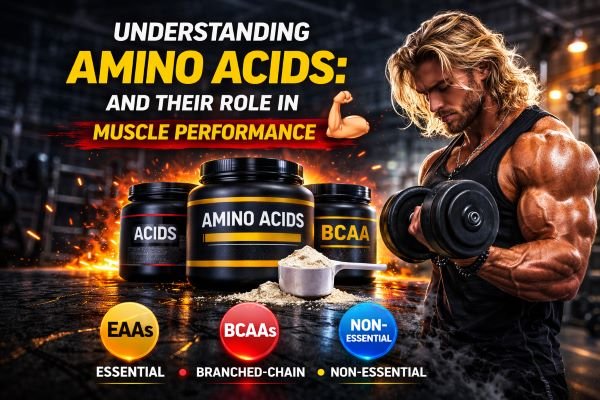
• There are three main types of amino acids: essential, non-essential, and conditional amino acids.
• Amino acids support muscle repair, recovery, and overall workout performance when combined with proper training and nutrition.
• Many athletes include amino acid-rich foods or supplements as part of their workout routines.
• Balanced nutrition, hydration, and consistent training are key factors in supporting muscle performance.
Understanding Amino Acids and Their Role in Muscle Performance
In the world of fitness and sports nutrition, amino acids are frequently mentioned when discussing muscle development and athletic performance. Athletes, bodybuilders, and fitness enthusiasts often pay close attention to their amino acid intake because of its role in supporting muscle structure and recovery.
Amino acids are the fundamental building blocks of protein, and protein is one of the most important nutrients for individuals who train regularly. Every muscle fiber in the body contains proteins made up of chains of amino acids. When athletes exercise, these muscle proteins are involved in movement, strength production, and physical performance.
After intense training sessions, the body relies on amino acids to support the repair and maintenance of muscle tissue. This is why amino acid intake is often emphasized in sports nutrition programs.
Understanding how amino acids function and where they come from can help athletes build more effective nutrition strategies that support their workouts and long-term training goals.
What Are Amino Acids?
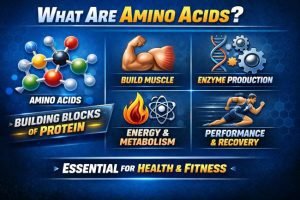
Amino acids are organic compounds that combine to form proteins. These compounds are involved in many biological processes, including muscle structure, enzyme activity, and energy metabolism.
When foods containing protein are consumed, the digestive system breaks those proteins down into individual amino acids. These amino acids are then used throughout the body to support various functions.
Muscle tissue contains a large amount of protein, which is why athletes often focus on protein intake as part of their training routines.
The body uses amino acids for several purposes, including:
• building and maintaining muscle tissue
• producing enzymes and hormones
• supporting metabolic processes
• contributing to physical performance
Because of these roles, amino acids are considered essential components of a balanced nutrition plan.
The Three Types of Amino Acids
Amino acids are typically divided into three categories based on how the body obtains them.
Essential Amino Acids
Essential amino acids cannot be produced by the body and must be obtained from food sources.
There are nine essential amino acids that the body requires for normal physiological function.
These amino acids are commonly found in protein-rich foods such as:
• poultry
• fish
• eggs
• dairy products
• legumes
• soy products
Athletes often prioritize essential amino acids because they play a role in supporting muscle maintenance and performance.
Non-Essential Amino Acids
Non-essential amino acids are produced naturally by the body.
Even though they are called “non-essential,” they still contribute to many important biological processes.
The body can synthesize these amino acids from other nutrients obtained through diet.
Examples include:
• alanine
• asparagine
• glutamic acid
These amino acids support protein structure and metabolic processes within the body.
Conditional Amino Acids
Conditional amino acids are typically produced by the body but may be required in greater amounts during periods of intense physical activity or stress.
Examples include:
• arginine
• glutamine
• tyrosine
Athletes sometimes focus on these amino acids because they are involved in several metabolic pathways related to exercise and recovery.
Amino Acids and Muscle Structure
Muscle tissue is composed primarily of protein, and protein itself is made from amino acids.
When athletes perform resistance training, muscle fibers contract repeatedly to generate force. This activity places temporary stress on muscle tissue.
After the workout, the body begins repairing and rebuilding muscle proteins using amino acids obtained from dietary protein.
This process contributes to muscular adaptation over time.
While training provides the stimulus for change, nutrition helps supply the building blocks needed for muscle maintenance and development.
Athletes who train consistently often prioritize adequate protein intake to ensure sufficient amino acids are available to support these processes.
Amino Acids and Workout Performance
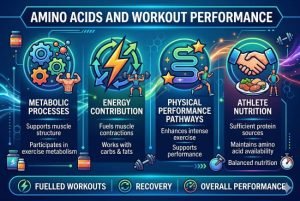
In addition to supporting muscle structure, amino acids also participate in various metabolic processes involved in exercise.
During workouts, the body requires energy to fuel muscle contractions. While carbohydrates and fats provide the majority of this energy, amino acids can also contribute to metabolic activity.
Certain amino acids are involved in pathways that support physical performance during intense exercise.
Athletes who train frequently often ensure their nutrition includes sufficient protein sources to maintain adequate amino acid availability.
Balanced nutrition helps support overall workout performance.
Branched-Chain Amino Acids (BCAAs)
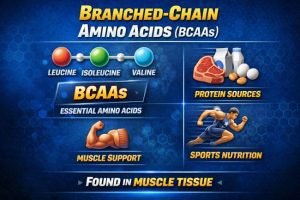
Branched-chain amino acids, commonly known as BCAAs, are a group of three essential amino acids:
• leucine
• isoleucine
• valine
These amino acids are unique because they are metabolized differently than many other amino acids.
BCAAs are frequently discussed in sports nutrition because they are present in high concentrations within muscle tissue.
Foods that contain complete proteins, such as meat, eggs, dairy, and certain plant-based proteins, naturally contain branched-chain amino acids.
Because of their presence in muscle tissue, BCAAs are commonly included in sports nutrition products designed to complement training routines.
Amino Acids and Recovery
Recovery plays a critical role in maintaining consistent workout performance.
After intense exercise, muscles undergo a natural process of repair and adaptation.
During this time, amino acids contribute to the rebuilding and maintenance of muscle proteins.
Athletes often prioritize post-workout nutrition that includes protein sources to support recovery processes.
Examples of protein-rich recovery foods include:
• grilled chicken
• eggs
• yogurt
• tofu
• protein shakes
Balanced recovery nutrition helps athletes maintain consistent training schedules.
Dietary Sources of Amino Acids
The most common way athletes obtain amino acids is through dietary protein.
Many foods naturally contain high levels of amino acids.
Examples include:
Animal-Based Protein Sources
• poultry
• fish
• eggs
• dairy products
These foods are considered complete proteins because they contain all essential amino acids.
Plant-Based Protein Sources
• beans
• lentils
• quinoa
• tofu
• soy products
Plant-based protein sources can also provide amino acids when included in a balanced diet.
Athletes following plant-based nutrition plans often combine different protein sources to ensure a full range of amino acids.
Protein Intake for Athletes
Protein intake is often emphasized in sports nutrition because it supplies amino acids needed for muscle maintenance and repair.
Athletes who train regularly often include protein sources in their meals throughout the day.
Balanced protein intake supports:
• muscle maintenance
• recovery after exercise
• overall training performance
Many athletes distribute protein intake across multiple meals to support consistent amino acid availability.
Hydration and Muscle Function
While amino acids and protein are essential components of muscle performance, hydration also plays an important role in supporting exercise.
Water supports many physiological processes, including:
• circulation
• nutrient delivery
• muscle contraction
Maintaining hydration throughout the day can help support physical performance during workouts.
Athletes who combine balanced nutrition with proper hydration often experience more consistent training results.
Supplements and Amino Acid Formulas
Many sports nutrition supplements include amino acids as part of their ingredient profiles.
Common amino acids found in performance supplements include:
• L-citrulline
• L-arginine
• branched-chain amino acids
• glutamine
These ingredients are commonly used in sports nutrition products designed to support workout performance.*
*These statements have not been evaluated by the Food and Drug Administration. Dietary supplements are not intended to diagnose, treat, cure, or prevent any disease.
Athletes who include supplements in their routines often use them alongside structured training programs and balanced nutrition.
Combining Amino Acids With Training Strategies
Many athletes integrate amino acid-focused nutrition with structured training programs to support overall performance.
Some individuals also include supplements such as Pump Support Ultra alongside their workouts as part of a broader strategy that includes resistance training, balanced nutrition, hydration, and recovery.
When combined with consistent training habits and proper nutrition, these strategies can support long-term fitness goals and athletic performance.*
*Always follow product instructions and consult a qualified professional if you have questions about supplement use.
Final Thoughts
Amino acids play a central role in muscle structure, exercise performance, and recovery following training.
As the building blocks of protein, amino acids contribute to many biological processes that support physical activity and athletic training.
Athletes who focus on balanced nutrition, consistent training routines, and effective recovery strategies often prioritize adequate protein intake to ensure sufficient amino acid availability.
Understanding the role of amino acids can help individuals create nutrition and training strategies that support their fitness goals and long-term athletic development.
References
Schoenfeld, B. J. (2010). The mechanisms of muscle hypertrophy and resistance training. Journal of Strength and Conditioning Research.
Phillips, S. M. (2014). Exercise and muscular adaptations. Sports Medicine.
American College of Sports Medicine. Nutrition and Athletic Performance Guidelines.
Morton, R. W., et al. (2019). Resistance training volume and muscle adaptation. Medicine & Science in Sports & Exercise.
National Strength and Conditioning Association. Essentials of Strength Training and Conditioning.
Wackerhage, H., et al. (2019). Skeletal muscle adaptation and exercise stimuli. Sports Medicine.
Common Questions (FAQ)
What are amino acids?
Amino acids are organic compounds that combine to form proteins and play a role in many biological processes, including muscle structure and metabolism.
Why are amino acids important for athletes?
Amino acids help support muscle maintenance, recovery, and overall workout performance.
Do athletes need amino acid supplements?
Some athletes include amino acid supplements in their routines, though amino acids can also be obtained from protein-rich foods.
What foods contain amino acids?
Foods such as meat, eggs, dairy, beans, lentils, tofu, and soy products contain amino acids.
What are branched-chain amino acids?
Branched-chain amino acids (BCAAs) include leucine, isoleucine, and valine, which are essential amino acids commonly discussed in sports nutrition.
Can beginners benefit from amino acid-rich nutrition?
Yes. Balanced nutrition that includes adequate protein supports muscle maintenance and overall physical activity.