Blog
Gym Motivation: How Athletes Stay Consistent With Their Training 💪


Quick Summary (Key Takeaways)
• Consistency is one of the most important factors for long-term fitness and strength development.
• Athletes often stay motivated by setting clear goals and tracking their progress over time.
• Structured workout routines make it easier to build consistent gym habits.
• Training partners, supportive communities, and positive environments can help maintain motivation.
• Balanced nutrition, hydration, and recovery support overall workout performance.
• Many athletes incorporate sports nutrition supplements into their training routines to complement their workouts.
Gym Motivation: How Athletes Stay Consistent With Their Training
Anyone who has spent time in a gym knows that motivation can fluctuate. Some days workouts feel exciting and energizing, while other days it can be difficult to find the drive to train. Yet the athletes who achieve the most progress in the gym are rarely the ones who rely only on bursts of motivation.
Instead, they develop habits that allow them to stay consistent over time.
Consistency is often the biggest factor that separates occasional gym visitors from individuals who continue improving their strength, endurance, and physique. By understanding the strategies athletes use to maintain motivation, anyone can create a sustainable training routine.
Whether someone is just starting their fitness journey or trying to overcome a plateau, the right approach to motivation can make a significant difference in long-term training success.

Why Consistency Matters More Than Motivation
Motivation can feel powerful in the beginning stages of a new fitness routine. However, relying solely on motivation can make it difficult to maintain long-term consistency.
Athletes often focus on building training habits, rather than depending on temporary inspiration.
Consistency allows the body to adapt gradually to training stress. Over time, regular workouts support improvements in strength, muscular development, coordination, and overall fitness.
Training consistency also allows athletes to practice proper exercise technique and improve performance from one workout to the next.
Many experienced athletes recognize that even moderate workouts performed consistently can produce meaningful progress over time.
Setting Clear Fitness Goals
Goal setting is one of the most effective ways to maintain motivation in the gym.
When athletes have a clear goal, workouts feel more purposeful and structured. Goals provide direction and help individuals measure progress.
Fitness goals can take many forms, including:
• increasing strength levels
• improving athletic performance
• building muscle
• maintaining a consistent workout routine
• developing better exercise habits
Athletes often break large goals into smaller milestones.
For example, someone who wants to increase their bench press strength may start by focusing on gradual increases in weight or repetitions each week.
Tracking these improvements can create a sense of progress that helps maintain motivation.
Creating a Structured Training Plan
Many athletes maintain consistency by following a structured training plan rather than deciding what to do each time they arrive at the gym.
A structured workout program removes uncertainty and helps ensure balanced training.
A typical training program might include:
• upper body workouts
• lower body workouts
• full-body training sessions
• rest or recovery days
Following a schedule helps athletes develop routine. When workouts become part of a weekly schedule, they feel more like a habit rather than a decision that must be made each day.
Programs also allow athletes to track progress and adjust training intensity over time.
Tracking Progress in the Gym

One of the most motivating aspects of strength training is seeing measurable progress.
Many athletes track their workouts using training logs or fitness apps. Recording exercises, weights, repetitions, and sets allows individuals to compare workouts and observe improvements.
Progress tracking can include:
• increasing the weight lifted
• performing more repetitions
• improving exercise form
• completing workouts more efficiently
These improvements may appear small at first, but over time they can represent significant progress.
Seeing measurable improvement often reinforces motivation and encourages athletes to continue training.
The Role of Progressive Overload
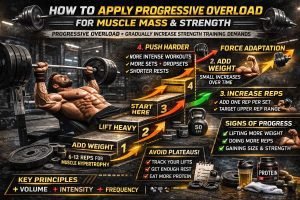
Progressive overload is a fundamental training principle used by many athletes to maintain consistent improvement.
Progressive overload involves gradually increasing the demands placed on muscles during workouts.
This can be achieved by:
• increasing training weight
• adding additional repetitions
• performing extra sets
• improving exercise tempo and control
By gradually increasing training difficulty, athletes continue challenging their muscles and promoting adaptation.
This steady progression provides both physical results and psychological motivation.
Building a Supportive Training Environment
The gym environment can play a significant role in maintaining motivation.
Athletes often perform better when they train in an environment that feels supportive and positive.
Some individuals stay motivated by training with partners or friends who share similar fitness goals.
Training partners can help:
• maintain accountability
• provide encouragement
• create a sense of camaraderie
Others find motivation in gym communities, group training sessions, or coaching programs.
Even simple interactions with other athletes can help reinforce commitment to a training routine.
Music and Mental Focus

Many athletes use music as a motivational tool during workouts.
Listening to energetic music can help create a focused mindset before and during training sessions.
Music can also help establish a mental rhythm that supports consistent exercise performance.
Some athletes create workout playlists designed specifically for different training sessions.
Others use motivational podcasts or audio content to maintain focus and enthusiasm while training.
Mental focus is an often overlooked component of consistent gym performance.
Building Gym Habits
Motivation becomes much easier when workouts are part of a routine.
Athletes who train consistently often follow similar schedules each week.
For example:
• training at the same time each day
• preparing workout gear ahead of time
• planning meals around training sessions
These habits remove many of the small obstacles that can prevent workouts from happening.
When training becomes a normal part of daily life, it requires less mental effort to maintain.
Habit formation is one of the most powerful tools for long-term fitness success.
Recovery and Maintaining Energy for Workouts
Athletes who train consistently understand that recovery plays a major role in motivation.
When the body is well-rested and properly fueled, workouts feel more productive and enjoyable.
Recovery habits often include:
• adequate sleep
• balanced nutrition
• hydration
• mobility exercises
Sleep is particularly important because it allows the body to recover from training stress and restore energy levels.
Athletes who maintain healthy recovery habits often feel more prepared for their next workout.
Nutrition and Training Motivation
Nutrition supports both physical performance and mental focus during workouts.
Athletes who maintain balanced nutrition often find it easier to sustain energy throughout training sessions.
Important nutrition factors include:
Protein Intake
Protein supports muscle repair and maintenance following workouts.
Athletes often include protein sources such as lean meats, dairy products, eggs, or plant-based proteins in their meals.
Carbohydrates for Energy
Carbohydrates provide energy for training sessions and help support endurance during workouts.
Examples include:
• whole grains
• fruits
• oats
• rice
Hydration
Water supports circulation, nutrient delivery, and muscle function during exercise.
Maintaining hydration throughout the day can support workout performance and recovery.
Supplements and Workout Preparation
Many athletes incorporate sports nutrition supplements into their training routines.
These products often contain ingredients commonly used in fitness and performance formulas, including:
• creatine
• amino acids
• beta-alanine
• electrolytes
• L-citrulline
These ingredients are commonly included in products designed to support workout performance.*
*These statements have not been evaluated by the Food and Drug Administration. Dietary supplements are not intended to diagnose, treat, cure, or prevent any disease.
Supplements are typically used alongside structured training programs, balanced nutrition, and proper recovery.
Combining Motivation With Performance Strategies
Long-term gym motivation often comes from seeing steady progress over time.
Athletes who combine structured training programs with supportive habits often find it easier to maintain consistency.
Some individuals also incorporate products like Nitric Pump into their workout routines as part of a broader strategy that includes strength training, progressive overload, and balanced recovery practices.
When combined with proper training, hydration, nutrition, and rest, these strategies can help athletes maintain motivation and stay consistent with their workouts.*
*Always follow product instructions and consult a qualified professional if you have questions about supplement use.
Final Thoughts
Gym motivation is not just about feeling inspired to work out. Instead, it often comes from developing habits and routines that make training a natural part of daily life.
Athletes who maintain long-term consistency often focus on structured training plans, progressive improvement, balanced nutrition, and effective recovery strategies.
By setting clear goals and maintaining supportive habits, individuals can create a fitness routine that remains sustainable and enjoyable over time.
Consistency in training is ultimately one of the most powerful tools for building strength, improving fitness, and achieving long-term athletic goals.
References
Schoenfeld, B. J. (2010). The mechanisms of muscle hypertrophy and resistance training. Journal of Strength and Conditioning Research.
American College of Sports Medicine. Resistance Training Guidelines.
Phillips, S. M. (2014). Exercise and muscular adaptations. Sports Medicine.
Morton, R. W., et al. (2019). Resistance training volume and muscle adaptation. Medicine & Science in Sports & Exercise.
National Strength and Conditioning Association. Essentials of Strength Training and Conditioning.
Wackerhage, H., et al. (2019). Skeletal muscle adaptation and training stimuli. Sports Medicine.
Common Questions (FAQ)
How do athletes stay motivated to go to the gym?
Athletes often maintain motivation by setting clear goals, following structured training programs, and tracking progress over time.
What helps build consistency with workouts?
Creating a routine, scheduling workouts, and building supportive habits can help maintain consistency.
Do training partners improve motivation?
Many athletes find that training with partners increases accountability and encourages consistent workouts.
What role does nutrition play in gym motivation?
Balanced nutrition helps support energy levels and overall workout performance.
Is recovery important for staying motivated?
Yes. Proper recovery helps maintain energy levels and prepares the body for future workouts.
Do supplements help support workout routines?
Some athletes incorporate sports nutrition supplements as part of their overall training strategy.