Blog
Hydration and Strength Training: Why It Matters for Athletes 💧💪

Quick Summary (Key Takeaways)
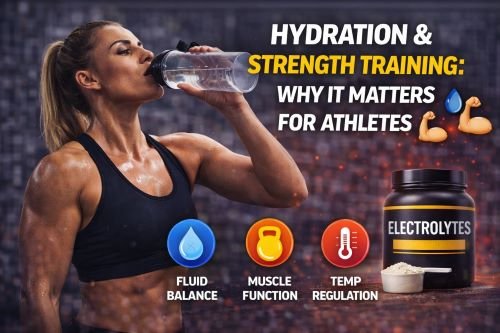
• Hydration plays a critical role in supporting strength training performance and overall physical activity.
• Water helps regulate body temperature, support muscle function, and assist with nutrient transport during exercise.
• Athletes lose fluids through perspiration during workouts, making proper hydration an important part of training routines.
• Electrolytes such as sodium, potassium, and magnesium help maintain fluid balance and support muscle contractions.
• Consistent hydration before, during, and after workouts helps athletes maintain energy and workout consistency.
• Balanced nutrition, recovery, and structured training programs work together with hydration to support athletic performance.
Hydration and Strength Training: Why It Matters for Athletes
Strength training requires both physical effort and proper preparation. While many athletes focus on lifting techniques, workout routines, and nutrition strategies, hydration is another key factor that plays an important role in supporting performance during training.
Water supports many essential functions within the body. It contributes to muscle function, temperature regulation, nutrient transport, and overall physical performance. During exercise, the body loses fluids through perspiration as it works to regulate internal temperature.
For athletes who engage in strength training, maintaining proper hydration is an important part of preparing for workouts and supporting recovery afterward.
Understanding the relationship between hydration and exercise performance can help athletes build habits that support consistent training and long-term fitness goals.
Why Hydration Is Important for Strength Training
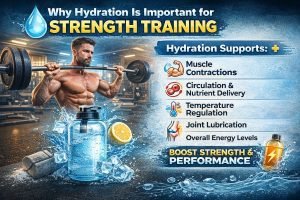
Hydration affects several physiological systems that influence workout performance.
When the body is properly hydrated, fluids circulate efficiently through the bloodstream and support many functions required for physical activity.
Hydration supports:
• muscle contractions
• circulation and nutrient delivery
• temperature regulation
• joint lubrication
• overall energy levels during workouts
During strength training, muscles repeatedly contract and relax as they generate force. Water helps support these contractions by contributing to cellular processes involved in muscle activity.
When athletes maintain proper hydration levels, the body is better prepared to support demanding workouts.
Water and Muscle Function
Muscle tissue contains a large percentage of water. This means hydration plays a direct role in maintaining muscle function during exercise.
Water helps support the transport of nutrients and minerals to muscle cells. It also contributes to the removal of metabolic byproducts produced during physical activity.
During strength training sessions that involve repeated sets and heavy resistance, muscles rely on proper fluid balance to maintain performance.
Athletes who stay hydrated throughout the day often experience more consistent workouts and better training sessions.
Hydration helps support muscle engagement during resistance exercises such as squats, bench presses, rows, and deadlifts.
Hydration and Temperature Regulation
Exercise naturally increases body temperature as muscles generate heat during activity.
The body regulates this heat through perspiration. Sweat helps cool the body as moisture evaporates from the skin.
However, perspiration also results in fluid loss.
Athletes performing intense workouts or training in warm environments may lose significant amounts of fluid during exercise.
Replacing these fluids through hydration helps maintain body temperature and support continued performance during training sessions.
Maintaining hydration before workouts helps prepare the body for physical activity.
Electrolytes and Fluid Balance
Hydration is not only about water intake. Electrolytes also play an important role in maintaining fluid balance within the body.
Electrolytes are minerals that carry electrical charges and contribute to several physiological processes related to exercise.
Key electrolytes include:
• sodium
• potassium
• magnesium
• calcium
These minerals help regulate fluid balance, support muscle contractions, and assist with nerve signaling during physical activity.
During exercise, electrolytes are lost through perspiration along with water.
Many athletes replenish these minerals through foods, hydration beverages, or sports nutrition supplements designed to support electrolyte intake.
Hydration Before a Workout
Proper hydration begins before the workout even starts.
Athletes who arrive at the gym already hydrated often perform better during their training sessions.
Hydration before exercise supports:
• circulation and nutrient delivery
• muscle function
• overall workout readiness
Drinking water throughout the day helps maintain hydration levels and prepares the body for physical activity.
Some athletes also include electrolyte beverages before intense workouts as part of their preparation routine.
Hydration During Strength Training
During strength training sessions, athletes may lose fluids through perspiration, especially when workouts are intense or extended.
Drinking water during workouts helps replace lost fluids and maintain hydration levels.
Many athletes keep water bottles nearby during training sessions to ensure consistent fluid intake.
Hydration during workouts supports:
• muscle endurance
• temperature regulation
• sustained workout performance
Athletes often adjust hydration strategies depending on the length and intensity of their workouts.
For shorter strength training sessions, water alone is often sufficient.
For longer or high-intensity workouts, electrolyte beverages may also be included.
Hydration After Workouts
Recovery is another important phase where hydration plays a role.
After strength training, the body works to restore fluid balance and support recovery processes.
Post-workout hydration helps:
• restore fluid levels lost through perspiration
• support circulation and nutrient delivery
• assist recovery processes
Many athletes combine post-workout hydration with balanced nutrition that includes protein and carbohydrates.
This combination helps support recovery and prepare the body for future training sessions.
Hydration and Athletic Performance
Hydration habits can influence overall workout consistency and athletic performance.
Athletes who maintain consistent hydration throughout the day often feel more prepared for training sessions.
Hydration contributes to:
• sustained energy during workouts
• improved focus during training
• better temperature regulation
• consistent exercise performance
Maintaining hydration habits becomes especially important for athletes who train frequently.
Balanced hydration strategies help support both workout performance and recovery.
Hydration Strategies for Athletes
Athletes often develop hydration strategies that match their training schedules.
These strategies may include:
Drinking Water Regularly
Maintaining fluid intake throughout the day supports consistent hydration.
Monitoring Workout Conditions
Athletes training in warm environments may require additional hydration.
Including Electrolytes
Electrolytes can help support fluid balance during longer workouts or intense exercise.
Post-Workout Hydration
Replacing fluids after training helps restore hydration levels.
These habits support consistent athletic performance.
Nutrition and Hydration Together
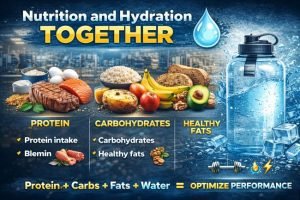
Hydration works closely with balanced nutrition to support exercise performance.
Athletes who train regularly often prioritize:
• protein intake for muscle maintenance
• carbohydrates for energy during workouts
• healthy fats for balanced nutrition
Water helps transport nutrients throughout the body and supports many metabolic processes.
Combining proper nutrition with consistent hydration helps athletes maintain energy and training consistency.
Sports Nutrition and Workout Preparation
Many athletes incorporate sports nutrition products as part of their overall training routine.
These products are commonly used alongside balanced nutrition and hydration strategies.
For example, pump-support formulas such as Nitric Pump are often included in workout preparation routines that emphasize muscular engagement during resistance training.
These supplements are frequently used alongside hydration strategies designed to support circulation and workout intensity.
Final Thoughts
Hydration is one of the most important factors influencing strength training performance and athletic consistency.
Water supports many physiological functions, including muscle contractions, temperature regulation, and nutrient delivery during exercise.
Because strength training can lead to fluid loss through perspiration, maintaining proper hydration becomes essential for supporting workout performance and recovery.
Athletes who combine hydration habits with balanced nutrition, structured training programs, and proper recovery strategies often maintain more consistent progress in their fitness routines.
Developing hydration habits that support training routines can help athletes maintain energy, improve workout performance, and continue progressing toward their fitness goals.
References
American College of Sports Medicine. Nutrition and Athletic Performance Guidelines.
Sawka, M. N., et al. (2007). Exercise and fluid replacement. Medicine & Science in Sports & Exercise.
Phillips, S. M. (2014). Exercise and muscular adaptations. Sports Medicine.
Schoenfeld, B. J. (2010). Resistance training and muscular adaptation. Journal of Strength and Conditioning Research.
National Strength and Conditioning Association. Essentials of Strength Training and Conditioning.
Wackerhage, H., et al. (2019). Skeletal muscle adaptation and exercise stimuli. Sports Medicine.
Common Questions (FAQ)
Why is hydration important for strength training?
Hydration supports muscle function, circulation, and temperature regulation during exercise.
How much water should athletes drink before workouts?
Hydration needs vary by individual, but many athletes aim to maintain consistent fluid intake throughout the day before training.
Are electrolytes necessary for strength training?
Electrolytes help regulate fluid balance and support muscle contractions, especially during intense or long workouts.
Can dehydration affect workout performance?
Maintaining hydration supports consistent physical performance during exercise.
Should athletes drink water during workouts?
Many athletes drink water during workouts to replace fluids lost through perspiration.
Is hydration important after workouts?
Yes. Post-workout hydration helps restore fluid balance and supports recovery.