
Blog
Nitric Oxide and Muscle Pumps: What Athletes Should Know 💪


Quick Summary (Key Takeaways)
Nitric oxide plays a key role in circulation and nutrient delivery during exercise.
Many athletes associate nitric oxide activity with the muscle “pump” experienced during training.
Ingredients such as L-citrulline, L-arginine, nitrates, and beetroot extract are commonly used to support nitric oxide production.
Muscle pumps occur when increased blood flow and fluid move into working muscles during resistance training.
Proper hydration, training intensity, and nutrition can influence the pump effect.
Nitric oxide–support ingredients are often included in pre-workout and pump-support supplements used by athletes and bodybuilders.
Introduction
Among athletes and bodybuilders, the feeling of a powerful muscle pump is often associated with productive training sessions. That tight, full sensation in working muscles during resistance training has long been a hallmark of intense workouts. While many factors contribute to this experience, one compound frequently discussed in sports nutrition is nitric oxide.
Nitric oxide is a naturally produced signaling molecule involved in regulating circulation. During exercise, nitric oxide helps support normal blood vessel function, which can influence blood flow to active muscles. Because of this role, many performance-focused supplements include ingredients intended to support nitric oxide production.
Understanding how nitric oxide relates to muscle pumps, exercise performance, and training routines can help athletes make informed decisions about their nutrition and supplementation strategies. This article explores the science behind nitric oxide, how it relates to muscle pumps, and what athletes should know about supporting nitric oxide activity through diet and training.
What Is Nitric Oxide?
Nitric oxide (NO) is a naturally occurring molecule produced by the body that acts as a signaling compound in several physiological processes. One of its most widely recognized functions is its involvement in the regulation of blood vessel tone.
When nitric oxide is released by cells lining blood vessels, it signals the surrounding smooth muscle to relax. This relaxation allows blood vessels to widen slightly, a process known as vasodilation. As a result, circulation can adapt to the body’s needs during activities such as exercise.
Nitric oxide is produced through several biological pathways, but two primary mechanisms are commonly discussed in sports nutrition:
The L-arginine pathway
The body converts the amino acid L-arginine into nitric oxide using enzymes known as nitric oxide synthases.The nitrate-nitrite pathway
Dietary nitrates, often found in vegetables such as beetroot and spinach, can be converted into nitric oxide through a series of biochemical reactions.
These pathways help maintain normal circulatory responses, particularly during periods of physical activity.
Understanding the Muscle Pump
The muscle pump refers to the temporary swelling and firmness of muscles experienced during resistance training. This sensation occurs when blood flow increases to working muscle groups while metabolic byproducts accumulate in the muscle tissue.
Several physiological factors contribute to the pump effect:
Increased blood flow to active muscles
Expansion of blood vessels within muscle tissue
Fluid shifts into muscle cells
Accumulation of metabolites such as lactate and hydrogen ions
Resistance exercises that involve moderate to high repetitions with short rest periods tend to amplify the pump effect because they maintain blood flow in the working muscle group for longer periods.
Although the muscle pump is temporary, many athletes view it as an indicator that muscles are actively engaged and receiving increased circulation during training.
How Nitric Oxide Influences Blood Flow During Exercise
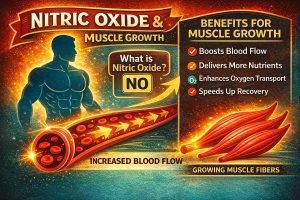
Nitric oxide plays a role in how the body adjusts circulation during physical activity. When muscles begin contracting repeatedly during exercise, several signals trigger increased blood flow to those muscles. Nitric oxide is one of the compounds involved in this process.
By supporting normal vasodilation, nitric oxide helps allow blood vessels to respond to increased demand from working muscles. This adjustment in circulation can assist with:
Delivery of oxygen and nutrients
Removal of metabolic byproducts
Maintenance of blood flow during sustained muscular contractions
These circulatory responses are part of the body’s natural adaptation to exercise and contribute to the sensations athletes experience during intense training sessions.
Nutrients Associated With Nitric Oxide Production
Many sports nutrition products focus on nutrients linked to nitric oxide pathways. These ingredients are commonly included in pump-support or pre-workout formulas.
L-Citrulline
L-citrulline is an amino acid that can be converted into L-arginine in the body. Because of this conversion, it may indirectly support nitric oxide production. Many athletes prefer citrulline because it is often absorbed efficiently and can help increase circulating arginine levels.
L-Arginine
L-arginine is directly involved in nitric oxide production through the nitric oxide synthase pathway. It has been widely studied in sports nutrition and is commonly included in pump-support supplements.
Beetroot Extract and Dietary Nitrates
Vegetables such as beetroot contain naturally occurring nitrates. These nitrates can be converted into nitric oxide through the nitrate-nitrite pathway. Beetroot-based ingredients have become popular among athletes seeking dietary sources of nitrates.
Nitrate-Rich Vegetables
Foods that naturally contain nitrates include:
Spinach
Arugula
Celery
Lettuce
Beetroot
Athletes sometimes incorporate these foods into their diet as part of a balanced nutrition plan.
Antioxidants and Polyphenols
Some plant compounds may help support nitric oxide activity by helping maintain nitric oxide availability in the body. Ingredients such as resveratrol and flavonoids are often discussed in this context.
Training Factors That Influence Muscle Pumps
While nutrition plays a role, training style is one of the most significant factors affecting the muscle pump experience.
Higher Repetition Sets
Sets performed in the 8–15 repetition range often create conditions that promote a stronger pump sensation due to sustained muscle contraction and blood flow.
Shorter Rest Periods
Rest intervals of 30–60 seconds between sets can help maintain circulation within the working muscle group.
Isolation Exercises

Movements that isolate specific muscle groups often produce stronger pumps because the target muscle remains under continuous tension.
Examples include:
Biceps curls
Triceps extensions
Leg extensions
Lateral raises
Time Under Tension
Slower repetitions and controlled movement patterns increase the amount of time muscles remain contracted, which may contribute to the pump effect.
Hydration and Electrolytes
Hydration status can also influence how muscles respond during training. Water plays an important role in maintaining blood volume and cellular hydration.
Athletes who train intensely often focus on maintaining adequate intake of:
Water
Electrolytes such as sodium and potassium
Mineral-rich hydration formulas
Proper hydration helps support normal circulation and muscle function during workouts.
Pre-Workout Supplements and Pump Support
In the sports nutrition industry, pump-focused supplements are commonly designed to support nitric oxide pathways and circulation during training sessions.
Typical ingredients in these formulas include:
L-citrulline or citrulline malate
L-arginine
beetroot extract or nitrates
glycerol compounds
electrolytes
These formulas are usually taken 20–40 minutes before training as part of an athlete’s workout preparation routine.
Because individual responses to supplements may vary, athletes often experiment with different formulas to determine what works best for their training preferences.
Whole Foods That Support Nitric Oxide Pathways
While supplements are widely used, many athletes also prioritize whole foods that naturally contain nitric oxide–supporting nutrients.
Examples include:
Beets and beet juice
Dark leafy greens
Watermelon (a source of citrulline)
Pomegranate
Citrus fruits
Garlic
These foods can be incorporated into a balanced diet that supports an active lifestyle.
Nitric Oxide and Endurance Athletes

Although nitric oxide is often associated with bodybuilding pumps, endurance athletes have also shown interest in nitrate-rich foods and ingredients.
Some research suggests that nitrate intake may influence oxygen efficiency during exercise, which has led to increased popularity of beetroot-based products among runners and cyclists.
However, training adaptations, conditioning level, and overall nutrition all contribute to exercise performance.
Safety and Responsible Supplement Use
When considering nitric oxide–support supplements, athletes should keep several general guidelines in mind:
Follow the serving size recommended on the product label
Choose products from reputable manufacturers
Maintain a balanced diet and hydration routine
Consult a qualified professional if unsure about supplement choices
Supplements are typically intended to complement training and nutrition routines rather than replace them.
Final Thoughts
Nitric oxide is a naturally occurring molecule that plays a role in circulation and blood vessel signaling. During exercise, these processes contribute to increased blood flow to working muscles, which may influence the muscle pump sensation many athletes experience during resistance training.
While nutrition and supplementation can support nitric oxide pathways, training style, hydration, and overall diet remain essential components of any athletic program.
For bodybuilders, strength athletes, and fitness enthusiasts, understanding the relationship between nitric oxide, circulation, and training variables can help optimize workout routines and support long-term performance goals.
References
Moncada, S., & Higgs, A. (1993). The L-arginine-nitric oxide pathway. New England Journal of Medicine.
Lundberg, J. O., & Weitzberg, E. (2013). Biology of nitrogen oxides in the body. Nature Reviews.
Bailey, S. J. et al. (2015). Dietary nitrate supplementation and exercise performance. Sports Medicine.
Jones, A. M. (2014). Dietary nitrate and physical performance. Annual Review of Nutrition.
Gonzalez, A. M., & Trexler, E. T. (2020). Citrulline supplementation and exercise performance. Journal of Strength and Conditioning Research.
Kerksick, C. et al. (2018). International Society of Sports Nutrition position stand: Nutrient timing. Journal of the International Society of Sports Nutrition.
Common Questions (FAQ)
What is nitric oxide in the body?
Nitric oxide is a signaling molecule produced naturally in the body. It plays a role in regulating blood vessel function and circulation.
Why do athletes talk about muscle pumps?
A muscle pump refers to the temporary swelling and tightness felt in muscles during resistance training due to increased blood flow and fluid shifts.
Which foods contain nitrates that support nitric oxide pathways?
Vegetables such as beetroot, spinach, arugula, and celery naturally contain nitrates that can be converted into nitric oxide through biological processes.
Are nitric oxide supplements the same as pre-workout supplements?
Some pre-workout formulas contain ingredients associated with nitric oxide production, but not all pre-workouts focus specifically on pump support.
Do training methods affect the muscle pump?
Yes. Higher repetitions, shorter rest periods, and sustained muscle contractions can increase the pump sensation during workouts.
Can hydration affect muscle pumps?
Hydration supports normal blood volume and circulation, which can influence how muscles respond during intense training sessions.