Blog
The Science of Muscle Pumps: Why Bodybuilders Chase the Pump 💪


Quick Summary (Key Takeaways)
• A muscle pump occurs when blood flow temporarily increases to working muscles during resistance training.
• This effect causes muscles to appear fuller, tighter, and more defined during workouts.
• Bodybuilders often pursue the pump because it supports training intensity, focus, and muscle engagement.
• Training methods such as higher repetitions, shorter rest periods, and supersets can increase the pump effect.
• Certain nutrition strategies and supplements may support circulation, endurance, and workout performance.
• While the pump itself is temporary, it can be a motivating indicator of an effective training session.
The Science of Muscle Pumps: Why Bodybuilders Chase the Pump
Anyone who has spent time in a gym has likely heard someone say they are “chasing the pump.” For many bodybuilders and strength athletes, achieving a strong muscle pump during training is one of the most satisfying parts of a workout.
When muscles swell, tighten, and become visibly fuller during exercise, athletes often view it as a sign that their training session is productive. But the muscle pump is more than just a visual effect. It reflects a series of physiological responses that occur when muscles work hard under resistance.
Understanding the science behind the pump can help athletes structure their training more effectively and better appreciate what happens inside the body during intense workouts.
What Is a Muscle Pump?
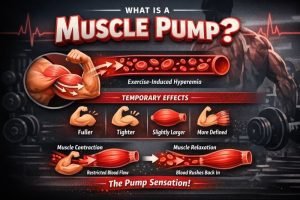
A muscle pump occurs when blood flow increases to muscles that are actively contracting during exercise. As resistance training continues, blood vessels supplying the working muscles expand to deliver more oxygen and nutrients.
This temporary increase in blood volume causes muscles to appear:
• Fuller
• Tighter
• Slightly larger
• More defined
The pump effect is commonly referred to in scientific literature as exercise-induced hyperemia, which describes the increase in blood flow to active tissues.
During resistance training, muscles repeatedly contract and relax. Each contraction briefly restricts blood flow, and when the muscle relaxes, blood rushes back into the area. Over multiple repetitions, this process causes blood to accumulate in the muscle tissue.
As a result, the muscles swell slightly and produce the sensation that many athletes recognize as the pump.
Why Bodybuilders Value the Pump
The muscle pump has become an iconic part of bodybuilding culture. While it is temporary, athletes often see it as a sign that they are fully engaging their muscles during a workout.
There are several reasons bodybuilders actively pursue the pump during training.
Visual Feedback
Bodybuilding is largely focused on muscular appearance and symmetry. When muscles fill with blood during a workout, they appear larger and more defined.
This visual feedback helps athletes see which muscle groups are being activated during specific exercises.
For example, performing sets of biceps curls can produce a strong pump in the arms, making the muscles appear fuller immediately after training.
Increased Mind-Muscle Connection
Another reason athletes chase the pump is because it enhances the mind-muscle connection.
When muscles become engorged with blood, it often becomes easier to feel them working throughout the exercise. This increased awareness can help athletes maintain better control and form.
Improved muscle engagement may also help lifters focus on the targeted muscle group rather than relying on surrounding muscles.
Motivation and Training Satisfaction
Beyond the physiological effects, the pump also has a psychological component.
Many athletes report that the sensation of a pump increases motivation and enjoyment during training. The tightness and fullness of the muscles provide immediate feedback that effort is being applied.
This positive feedback loop can encourage athletes to maintain consistent workout routines.
The Physiology Behind the Pump
Several biological mechanisms contribute to the muscle pump effect.
Increased Blood Flow
When muscles work under resistance, they require additional oxygen and nutrients. The body responds by increasing circulation to the working muscles.
Blood vessels expand in a process called vasodilation, allowing more blood to reach the muscle tissue.
This increased blood flow supports muscular activity during exercise.
Metabolic Byproduct Accumulation
High-repetition training and intense workouts produce metabolic compounds within the muscle tissue.
These byproducts accumulate temporarily and contribute to the feeling of muscle fatigue and fullness during exercise.
Metabolic stress is one of the factors researchers believe may contribute to muscular adaptations associated with resistance training.
Fluid Movement into Muscle Cells
As blood flow increases and metabolic stress builds, fluid shifts from the bloodstream into muscle cells.
This temporary fluid increase causes muscle fibers to swell slightly, contributing to the pumped appearance.
Researchers sometimes refer to this effect as cell swelling.

Training Methods That Increase the Pump
Bodybuilders often design their workouts specifically to maximize the muscle pump. Certain training styles can increase circulation and metabolic stress, both of which contribute to the pump sensation.
Higher Repetition Ranges
Many pump-focused workouts involve 8–15 repetitions per set.
Higher repetitions keep muscles under tension for longer periods, which encourages more blood flow to the muscle tissue.
Shorter Rest Periods
Resting for shorter periods between sets helps maintain the pump.
When rest periods are limited to 30–60 seconds, blood remains in the muscle longer, enhancing the fullness effect.
Supersets
Supersets involve performing two exercises back-to-back with minimal rest.
For example:
• Dumbbell curls followed by hammer curls
• Chest presses followed by push-ups
Supersets increase training density and keep muscles engaged continuously.
Drop Sets
Drop sets extend a set by reducing the weight once fatigue occurs.
This technique allows athletes to continue performing repetitions, increasing time under tension and enhancing the pump.
Nutrition and Hydration Factors
While training style plays a major role in achieving a muscle pump, nutrition and hydration also contribute to workout performance.
Carbohydrates and Muscle Glycogen
Carbohydrates are stored in muscles as glycogen. When glycogen levels are sufficient, muscles hold more water and appear fuller during training.
Athletes often include carbohydrates in pre-workout meals to support energy and muscle fullness.
Hydration
Adequate hydration supports normal circulation and muscle function.
Because the pump relies on increased blood flow, staying hydrated helps maintain proper blood volume during workouts.
Electrolytes
Electrolytes such as sodium, potassium, and magnesium help regulate fluid balance within the body.
Maintaining electrolyte balance can support muscle performance and endurance during exercise.
The Role of Supplements in Pump-Focused Training
Many athletes include sports nutrition supplements as part of their workout routine.
Certain ingredients are commonly used in products designed to support circulation and exercise performance.
Some of these ingredients include:
• L-citrulline
• L-arginine
• beta-alanine
• creatine
• electrolytes
These ingredients are often included in pre-workout formulas used by athletes before training sessions.*
*These statements have not been evaluated by the Food and Drug Administration. Dietary supplements are not intended to diagnose, treat, cure, or prevent any disease.
Is the Pump Necessary for Muscle Development?
One of the most common questions in strength training is whether the muscle pump is required for muscle growth.
Current research suggests that muscle development may be influenced by several training factors, including:
• Mechanical tension
• Metabolic stress
• Muscle fiber recruitment
The pump contributes primarily to the metabolic stress component of resistance training.
However, it is only one part of a broader training strategy. Strength-focused programs using heavier weights and lower repetitions can also support muscular development.
For this reason, many coaches recommend combining different training styles.
A well-rounded program might include:
• Heavy compound lifts
• Moderate hypertrophy training
• High-repetition pump-focused exercises
This combination helps stimulate muscles through multiple pathways.
Why the Pump Remains Iconic in Bodybuilding

The muscle pump is deeply ingrained in bodybuilding culture.
Many legendary bodybuilders have described the pump as one of the most rewarding feelings during training.
The visual transformation that occurs during a workout—when muscles temporarily appear larger and more defined—can be extremely motivating.
In competitive bodybuilding, athletes often perform light resistance exercises backstage before stepping on stage. This practice helps increase circulation to the muscles and enhance their appearance under stage lighting.
Even outside of competitions, many lifters continue to chase the pump simply because it makes training more enjoyable.
Final Thoughts
The muscle pump is one of the most recognizable sensations in strength training. It occurs when blood flow increases to working muscles, causing them to appear fuller and more defined during exercise.
While the pump itself is temporary, it reflects several important physiological processes, including increased circulation and metabolic stress.
Bodybuilders and strength athletes often pursue the pump because it enhances the training experience, improves muscle engagement, and provides immediate visual feedback during workouts.
Ultimately, the pump is just one part of an effective training program. When combined with consistent workouts, proper nutrition, and recovery, it can add an exciting and motivating dimension to resistance training.
References
Schoenfeld, B. J. (2010). The mechanisms of muscle hypertrophy and their application to resistance training. Journal of Strength and Conditioning Research.
Wackerhage, H., et al. (2019). Stimuli and sensors that initiate skeletal muscle hypertrophy. Sports Medicine.
American College of Sports Medicine. Resistance Training Guidelines.
Morton, R. W., et al. (2019). Resistance training volume enhances muscle hypertrophy. Medicine & Science in Sports & Exercise.
Phillips, S. M. (2014). Exercise and muscular adaptations. Sports Medicine.
National Strength and Conditioning Association. Essentials of Strength Training and Conditioning.
Common Questions (FAQ)
What is a muscle pump?
A muscle pump is the temporary swelling of muscles during resistance training caused by increased blood flow to working muscles.
Why do bodybuilders chase the pump?
Bodybuilders often pursue the pump because it enhances muscle fullness, improves the mind-muscle connection, and provides visual feedback during workouts.
Does the muscle pump mean muscles are growing?
The pump itself is temporary. However, it reflects training conditions—such as metabolic stress—that may support muscle development when combined with consistent resistance training.
How can athletes increase the muscle pump?
Athletes often use higher repetitions, shorter rest periods, supersets, and proper hydration to enhance the pump during workouts.
Do supplements help support the muscle pump?
Some sports nutrition ingredients may support circulation and workout performance, which can contribute to the pump sensation during training.
Is the pump necessary for effective workouts?
Not necessarily. While the pump can enhance the training experience, muscle development can occur through various training styles, including heavy strength training programs.