Blog
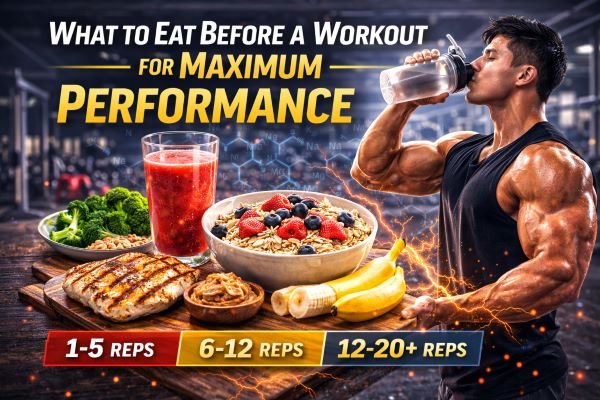
What to Eat Before a Workout for Maximum Performance 💪

Quick Summary (Key Takeaways)
Pre-workout nutrition helps support energy, endurance, and focus during training sessions.
A balanced pre-workout meal typically includes carbohydrates for energy, protein for muscle support, and hydration for performance.
Timing matters—many athletes eat 60–120 minutes before training for optimal digestion and energy availability.
Simple carbohydrate sources may help support workout intensity and muscle engagement during resistance training.
Proper hydration and electrolytes can support circulation and muscle function during workouts.
Some athletes include sports nutrition supplements as part of their pre-workout routine alongside balanced meals.
What to Eat Before a Workout for Maximum Performance
For athletes, bodybuilders, and fitness enthusiasts, the preparation that happens before entering the gym can significantly influence workout performance. While training intensity and exercise selection play important roles, nutrition before exercise is equally important.
Pre-workout meals help supply the body with energy needed for demanding workouts. Without adequate fuel, athletes may feel fatigued, unfocused, or unable to maintain consistent performance throughout their training session.
Choosing the right foods before exercise can help support strength, endurance, and muscle engagement during workouts. Understanding what to eat before a workout—and when to eat it—can help athletes build effective routines that support their fitness goals.
Why Pre-Workout Nutrition Matters
During exercise, the body relies on stored energy to power muscle contractions. The primary fuel source for many types of workouts, especially resistance training and high-intensity exercise, comes from carbohydrates stored in muscles as glycogen.
When glycogen levels are adequate, the body has the energy needed to sustain physical activity. If energy stores are low, workouts may feel more challenging and performance may decline.
Pre-workout nutrition helps provide the body with nutrients that support:
Energy availability during training
Muscle engagement during resistance exercises
Workout endurance and intensity
Mental focus during physical activity
Athletes who consistently fuel their workouts properly often report better performance and greater training consistency.
Key Nutrients for Pre-Workout Meals
Balanced pre-workout nutrition usually includes a combination of macronutrients that help support workout performance.
Carbohydrates
Carbohydrates are often considered the primary fuel source for exercise.
During digestion, carbohydrates are broken down into glucose, which the body uses for energy. Some glucose is stored in muscles as glycogen, which can be used during workouts.
Consuming carbohydrates before training helps replenish glycogen stores and provide energy for physical activity.
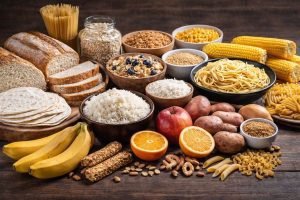
Common pre-workout carbohydrate sources include:
Oatmeal
Whole-grain bread
Rice or quinoa
Bananas
Sweet potatoes
Fruit smoothies
Carbohydrates that digest easily may help support sustained energy during training sessions.
Protein

Protein provides amino acids that support normal muscle maintenance and recovery.
Although protein is not the body’s primary energy source during workouts, including moderate amounts of protein in pre-workout meals may complement training routines.
Many athletes include protein sources such as:
Eggs
Greek yogurt
Chicken or turkey
Protein shakes
Cottage cheese
Combining protein with carbohydrates in pre-workout meals can help create balanced nutrition before training.
Healthy Fats
Healthy fats contribute to overall nutrition and may help support sustained energy throughout the day.
However, fats digest more slowly than carbohydrates and protein. For this reason, many athletes consume moderate amounts of fat in pre-workout meals rather than large portions immediately before exercise.
Examples of healthy fats include:
Avocados
Nuts and seeds
Olive oil
Nut butters
Balanced meals that include small amounts of healthy fats can help support overall dietary balance.
When to Eat Before a Workout

Timing plays an important role in pre-workout nutrition.
Eating too close to a workout may cause discomfort during exercise, while eating too early may leave athletes feeling hungry or low on energy during training.
Many athletes find success with the following timing strategies:
2–3 Hours Before Training
A full meal may include:
Lean protein
Complex carbohydrates
Small amounts of healthy fats
Example meal:
Grilled chicken with rice and vegetables.
60–90 Minutes Before Training
A smaller meal or snack may include:
Moderate carbohydrates
Some protein
Minimal fat
Example snack:
Greek yogurt with fruit.
30–60 Minutes Before Training
For athletes who prefer lighter snacks before workouts, quick-digesting foods may be helpful.
Examples include:
A banana
A small smoothie
Whole-grain toast with honey
These foods provide quick energy without feeling too heavy before exercise.
Hydration Before Workouts
Hydration is another essential factor that supports workout performance.
Water plays a key role in:
Circulation
Temperature regulation
Nutrient transport
Muscle function
Athletes often begin hydrating several hours before workouts to ensure their bodies are prepared for physical activity.
Drinking water before training can help maintain normal fluid balance during workouts, particularly during longer sessions or intense resistance training.
Some athletes also include beverages that contain electrolytes such as sodium, potassium, and magnesium.
Electrolytes help regulate fluid balance and support muscle activity during exercise.
Pre-Workout Snack Ideas

Many athletes experiment with different foods to find what works best for their training routines.
Here are several common pre-workout snack options.
Oatmeal with Fruit
Oatmeal provides complex carbohydrates, while fruit adds natural sugars that may support quick energy before workouts.
Greek Yogurt with Berries
This snack combines protein and carbohydrates in a light, easy-to-digest meal.
Banana with Peanut Butter
Bananas provide carbohydrates, while peanut butter adds healthy fats and protein.
Whole-Grain Toast with Eggs
This combination offers carbohydrates and protein that may support balanced pre-workout nutrition.
Smoothies
Blended smoothies containing fruit, yogurt, and protein powder can provide convenient nutrition before workouts.
Athletes often experiment with different combinations to determine which foods help them feel energized and comfortable during training.
Foods Some Athletes Limit Before Workouts
While balanced nutrition supports exercise performance, certain foods may be less ideal immediately before training.
Examples include:
Heavy Meals
Large meals may cause discomfort if eaten too close to a workout.
Excessive Fat
High-fat foods digest slowly and may make workouts feel sluggish when consumed immediately before exercise.
Highly Processed Sugars
Although sugar provides quick energy, consuming large amounts may cause energy fluctuations for some individuals.
Athletes often focus on balanced meals that provide sustained energy throughout their workouts.
Sports Nutrition and Pre-Workout Preparation
In addition to balanced meals, some athletes incorporate sports nutrition supplements as part of their pre-workout routine.
Certain ingredients commonly found in sports nutrition products include:
L-citrulline
Creatine
Beta-alanine
Electrolytes
Nitrate-containing plant extracts
These ingredients are often included in supplements designed to complement workout preparation and exercise performance.
Building Your Ideal Pre-Workout Nutrition Routine
Every athlete has unique preferences when it comes to pre-workout nutrition.
Some athletes prefer larger meals several hours before training, while others prefer lighter snacks closer to their workout.
An effective pre-workout routine often includes:
Balanced carbohydrates for energy
Moderate protein intake
Hydration throughout the day
Proper meal timing before workouts
Experimenting with different foods and meal timing can help athletes determine what works best for their individual training needs.
Final Thoughts
Pre-workout nutrition plays an important role in supporting workout performance, energy levels, and training consistency.
By fueling the body with balanced carbohydrates, protein, and proper hydration before exercise, athletes can help prepare themselves for demanding workouts.
Timing meals appropriately and selecting nutrient-dense foods can make a meaningful difference in how workouts feel and how effectively athletes perform during training.
While supplements may complement pre-workout routines for some athletes, the foundation of performance always begins with balanced nutrition, consistent training, and proper recovery habits.
For athletes seeking to maximize their workouts, understanding what to eat before training is an important step toward building effective fitness routines.
References
Schoenfeld, B. (2010). The mechanisms of muscle hypertrophy and their application to resistance training. Journal of Strength and Conditioning Research.
American College of Sports Medicine. Nutrition and Athletic Performance Guidelines.
Wackerhage, H., et al. (2019). Stimuli and sensors that initiate skeletal muscle hypertrophy. Sports Medicine.
Phillips, S. M. (2014). Exercise and muscular adaptations. Sports Medicine.
Morton, R. W., et al. (2019). Resistance training volume enhances muscle hypertrophy. Medicine & Science in Sports & Exercise.
National Strength and Conditioning Association. Essentials of Strength Training and Conditioning.
Common Questions (FAQ)
What should I eat before a workout?
Balanced meals containing carbohydrates and protein are commonly consumed before workouts to support energy and training performance.
How long before a workout should I eat?
Many athletes eat meals 60–120 minutes before training, although smaller snacks may be consumed closer to the workout.
Are carbohydrates important before exercise?
Carbohydrates provide energy that supports exercise performance during resistance training and other physical activities.
Is hydration important before workouts?
Yes. Drinking water before training helps support circulation, temperature regulation, and overall workout performance.
Can supplements replace pre-workout meals?
Supplements are typically used to complement balanced meals and nutrition habits rather than replace them.
Do athletes always eat before workouts?
Some athletes train in a fasted state, but many prefer eating beforehand to support energy and workout intensity.