Blog
10 Gym Habits of Successful Bodybuilders 💪


Quick Summary (Key Takeaways)
Successful bodybuilders rely on consistent training habits, not just occasional intense workouts.
Structured workout routines help maximize training efficiency and muscle engagement.
Nutrition, hydration, and recovery are essential parts of a long-term fitness routine.
Tracking progress and maintaining discipline helps athletes stay focused on their goals.
Quality sleep and recovery strategies support muscle repair after intense training.
Many experienced bodybuilders prioritize form, intensity, and consistency over simply lifting heavier weights.
Introduction
In the world of bodybuilding and strength training, success rarely comes from short bursts of motivation. Instead, it is built through consistent habits practiced day after day in the gym. While genetics and experience can play a role in athletic development, long-term progress typically depends on dedication, discipline, and smart training strategies.
Experienced bodybuilders often develop routines that help them stay focused, maximize workout efficiency, and maintain a structured approach to training. These habits extend beyond lifting weights and include areas such as recovery, nutrition, and mindset.
For athletes, fitness enthusiasts, and beginners alike, understanding the habits practiced by experienced bodybuilders can provide valuable insights into building a sustainable training routine. Below are ten gym habits commonly associated with individuals who maintain consistent progress in bodybuilding and strength training.
1. They Train With a Clear Plan
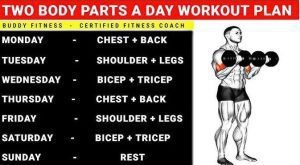
One of the most noticeable differences between experienced bodybuilders and casual gym-goers is having a structured workout plan.
Instead of walking into the gym and deciding what to do on the spot, successful athletes often follow structured programs designed around:
Muscle group splits
Progressive overload
Balanced training volume
Recovery periods
A structured training plan helps ensure that all muscle groups receive attention while allowing sufficient recovery time between sessions.
Many bodybuilders use training splits such as:
Push / Pull / Legs
Upper Body / Lower Body
Bro Splits (one muscle group per day)
Planning workouts in advance helps maintain consistency and prevents wasted time in the gym.
2. They Focus on Proper Form
Experienced bodybuilders understand that proper exercise technique is essential for effective training.
While lifting heavier weights may seem appealing, maintaining good form helps ensure that the target muscles remain engaged throughout each movement.
Key aspects of proper lifting technique include:
Controlled movement patterns
Full range of motion
Stable posture during exercises
Avoiding excessive momentum
Prioritizing technique can improve muscle engagement and create more consistent training results over time.
3. They Stay Consistent
Consistency is perhaps the most important habit shared by successful bodybuilders. Progress in strength training often occurs gradually over months or years.
Even the most advanced athletes maintain disciplined training schedules that may include 4–6 workouts per week.
Consistency involves:
Showing up to the gym regularly
Following planned routines
Maintaining long-term commitment
Rather than relying on short bursts of motivation, experienced bodybuilders build habits that allow them to train regularly regardless of daily fluctuations in energy or mood.

4. They Track Their Progress
Tracking progress is a common practice among athletes who take their training seriously.
Many bodybuilders keep workout logs that include details such as:
Exercises performed
Sets and repetitions
Weight lifted
Rest intervals
Monitoring these variables helps athletes gradually increase training intensity and volume over time.
Tracking workouts also provides valuable feedback, allowing athletes to adjust their routines when progress slows.
5. They Prioritize Progressive Overload
Progressive overload is a foundational concept in strength training. It involves gradually increasing the demands placed on muscles over time.
Bodybuilders may apply progressive overload by:
Increasing weight lifted
Adding additional repetitions
Performing more sets
Reducing rest intervals
By slowly increasing training demands, athletes encourage muscles to adapt to new challenges.
Successful bodybuilders understand that progress often occurs through small improvements made consistently over time.

6. They Pay Attention to Nutrition
Nutrition plays an important role in supporting an active lifestyle and consistent training routine.
Many bodybuilders focus on balanced dietary patterns that include:
Adequate protein intake
Complex carbohydrates for energy
Healthy fats
Micronutrients from fruits and vegetables
Protein is commonly emphasized because it provides amino acids that support muscle repair following intense exercise.
Some athletes also incorporate sports nutrition supplements as part of their routine, although whole foods typically form the foundation of most training diets.
7. They Stay Hydrated
Hydration is often overlooked but plays a significant role in athletic performance.
Water supports many physiological processes related to exercise, including:
Circulation
Temperature regulation
Muscle function
Athletes who train intensely often maintain hydration by drinking water consistently throughout the day and during workouts.
Some also use electrolyte beverages during longer or more intense training sessions.

8. They Prioritize Recovery
Muscle growth and strength adaptations occur during recovery, not during the workout itself.
Successful bodybuilders often dedicate significant attention to recovery practices such as:
Quality sleep
Rest days
Mobility training
Stretching routines
Adequate recovery allows the body to repair muscle tissue following strenuous workouts.
Many athletes aim for 7–9 hours of sleep per night to support recovery and maintain consistent energy levels during training.
9. They Train With Intensity
Bodybuilders are known for maintaining a high level of intensity during workouts.
Training intensity can involve:
Pushing sets close to muscular fatigue
Using advanced techniques like drop sets or supersets
Maintaining focus during each repetition
Rather than simply going through the motions, experienced lifters aim to maximize effort and concentration during each set.
However, intensity is typically balanced with proper recovery to maintain sustainable training habits.

10. They Maintain a Long-Term Mindset
Perhaps the most defining habit of successful bodybuilders is their long-term perspective on training.
Physical development takes time, and experienced athletes recognize that lasting progress often requires patience and consistency.
Rather than seeking immediate results, many bodybuilders approach fitness as a long-term lifestyle.
This mindset allows them to remain motivated through challenges and continue refining their training strategies over time.
Building Your Own Successful Gym Habits
Developing effective gym habits does not require extreme routines or complicated programs. Many of the habits practiced by experienced bodybuilders are surprisingly simple:
Train consistently
Follow a structured plan
Focus on technique
Track progress
Support workouts with proper nutrition and recovery
By gradually incorporating these habits into your routine, you can create a sustainable approach to fitness that supports long-term progress.
Final Thoughts
Successful bodybuilders rarely rely on shortcuts or quick fixes. Instead, their progress is built through daily habits practiced consistently over time.
From structured workout planning to prioritizing recovery and nutrition, these habits help athletes maintain discipline and make steady improvements in their training routines.
Whether you’re a beginner entering the gym for the first time or an experienced athlete refining your approach, adopting these habits can help support a structured and sustainable fitness journey.
Consistency, patience, and dedication remain the foundation of long-term success in bodybuilding and strength training.
References
Schoenfeld, B. (2016). Science and Development of Muscle Hypertrophy. Human Kinetics.
American College of Sports Medicine. (2019). Resistance Training Guidelines.
International Society of Sports Nutrition. (2017). Position Stand: Protein and Exercise.
Ratamess, N. (2012). ACSM Strength Training Guidelines.
Morton, R. et al. (2018). Protein Intake and Muscle Mass Research. British Journal of Sports Medicine.
Grgic, J. et al. (2021). Resistance Training Volume and Strength Adaptations. Sports Medicine.
Common Questions (FAQ)
What is the most important habit for bodybuilders?
Consistency is often considered the most important factor. Regular training over time allows athletes to gradually build strength and muscle.
How many days per week do bodybuilders usually train?
Many bodybuilders train between 4–6 days per week, although routines vary depending on experience level and training goals.
Do bodybuilders need a structured workout plan?
Yes. Structured programs help ensure balanced muscle development and allow athletes to track progress more effectively.
Why is recovery important for bodybuilding?
Recovery allows muscles to repair and adapt following intense workouts, supporting long-term training consistency.
Is nutrition important for bodybuilding?
Nutrition supports energy levels, recovery, and overall training performance, making it an essential part of most bodybuilding routines.
Should beginners follow the same habits as experienced bodybuilders?
Many foundational habits such as consistency, proper form, and structured training can benefit beginners as well as experienced athletes.