Blog
Why Blood Flow Matters for Muscle Performance 💪

Quick Summary (Key Takeaways)
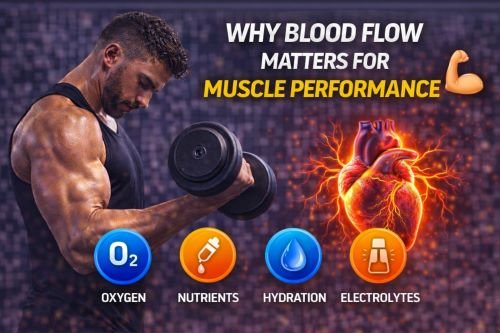
• Blood flow plays a critical role in supporting muscle performance during exercise.
• Circulation helps deliver oxygen and nutrients to working muscles during workouts.
• Increased blood flow is associated with the muscle “pump” experienced during resistance training.
• Strength training, hydration, and balanced nutrition all contribute to efficient circulation.
• Certain nutrients and sports nutrition ingredients are commonly associated with supporting blood flow during workouts.
• Understanding circulation and muscle performance can help athletes optimize their training strategies.
Why Blood Flow Matters for Muscle Performance
Athletes and fitness enthusiasts often focus on training programs, workout intensity, and nutrition strategies to improve their performance. However, one important physiological factor that supports exercise performance is circulation, also known as blood flow.
Blood flow plays a central role in delivering oxygen and nutrients throughout the body. During exercise, working muscles require increased energy and oxygen to sustain repeated contractions.
To meet this demand, the body increases circulation to the muscles involved in the activity. This increased circulation supports muscle performance and helps maintain exercise intensity.
Understanding how blood flow influences muscle performance can help athletes develop more effective training routines and support overall workout consistency.
The Role of Circulation in Exercise
The circulatory system is responsible for transporting blood throughout the body. Blood carries oxygen, nutrients, and other essential compounds that support physical activity.
During exercise, muscles require increased oxygen and energy in order to perform repeated contractions.
The body responds by increasing circulation to those muscles.
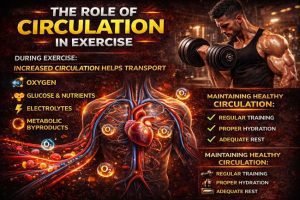
Blood flow during exercise helps transport:
• oxygen
• glucose and other nutrients
• electrolytes
• metabolic byproducts
Efficient circulation helps ensure that muscles receive the resources they need to continue functioning during intense physical activity.
Athletes who maintain healthy training and hydration habits often support these natural physiological processes.
Oxygen Delivery to Muscles
One of the most important roles of blood flow during exercise is delivering oxygen to muscle tissue.
Muscles use oxygen as part of the energy production process that fuels contractions.
During resistance training or endurance exercise, muscles repeatedly contract and require continuous oxygen supply.
Blood carries oxygen from the lungs to the working muscles.
When circulation increases during exercise, more oxygen becomes available to muscle cells.
This increased oxygen delivery supports sustained exercise performance.
Nutrient Transport During Workouts
In addition to oxygen, blood flow also transports nutrients needed for muscle activity.
Nutrients transported through the bloodstream include:
• glucose
• amino acids
• fatty acids
• electrolytes
These nutrients support energy production and muscle function during workouts.
Carbohydrates provide energy for high-intensity exercise, while amino acids support muscle maintenance.
Circulation helps ensure that these nutrients reach muscle tissue efficiently.
Athletes who maintain balanced nutrition support this nutrient delivery process during training sessions.
The Muscle Pump and Circulation
Many strength-training athletes are familiar with the sensation known as the muscle pump.
This temporary feeling of muscle fullness occurs when blood flow increases to working muscles during resistance training.
When muscles contract repeatedly, circulation increases in the surrounding blood vessels.
This increased circulation leads to the feeling of muscle tightness or fullness that athletes often experience during high-volume workouts.
Although the pump is temporary, many athletes associate it with intense training sessions and muscular engagement.
Exercises such as biceps curls, chest presses, and squats often produce noticeable pump sensations.
Nitric Oxide and Blood Vessel Relaxation
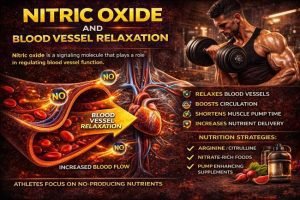
Nitric oxide is a signaling molecule that plays a role in regulating blood vessel function.
One of its functions involves supporting the relaxation of blood vessel walls.
When blood vessels relax, circulation can increase more easily throughout the body.
During exercise, nitric oxide contributes to increased blood flow to working muscles.
Because of this role, nitric oxide pathways have become a major topic in sports nutrition and workout preparation.
Athletes often pay attention to nutrition strategies that support nitric oxide production.
Amino Acids and Circulation Pathways
Certain amino acids participate in pathways related to nitric oxide production in the body.
Two commonly discussed amino acids include:
L-Arginine
Arginine is involved in biochemical pathways that produce nitric oxide.
Within the body, enzymes convert arginine into nitric oxide through specific metabolic processes.
For this reason, arginine has been included in sports nutrition products for many years.
L-Citrulline
Citrulline is another amino acid associated with nitric oxide pathways.
Citrulline is converted into arginine within the body, which then contributes to nitric oxide production.
Because citrulline can remain active in the bloodstream longer than arginine, many sports nutrition products now include citrulline-based formulas.
Athletes often look for citrulline in pump-support supplements.
Resistance Training and Blood Flow
Resistance training naturally increases circulation to working muscles.
Exercises that involve repeated contractions stimulate the circulatory system to deliver more blood to the muscles involved in the movement.
Examples include:
• squats
• bench presses
• rows
• lunges
• shoulder presses
These compound exercises engage multiple muscle groups simultaneously.
Higher training volume, moderate repetition ranges, and controlled tempo can increase muscular engagement during workouts.
Athletes often design training routines that emphasize these factors to maximize workout effectiveness.
Hydration and Circulation
Hydration is another important factor influencing circulation.
Water makes up a significant portion of blood volume.
Maintaining hydration supports fluid balance within the bloodstream, which contributes to efficient circulation.
Athletes who remain hydrated often experience:
• improved temperature regulation
• better circulation
• consistent workout performance
During exercise, fluids are lost through perspiration.
Replacing these fluids through hydration helps maintain blood flow and physical performance.
Electrolytes and Muscle Function
Electrolytes are minerals that help regulate fluid balance and support muscle contractions.
Key electrolytes include:
• sodium
• potassium
• magnesium
• calcium
These minerals contribute to nerve signaling and muscle activity during exercise.
Electrolytes are lost through sweat during workouts, particularly during intense or long training sessions.
Maintaining electrolyte balance supports hydration and muscle performance.
Many athletes incorporate electrolyte beverages or foods into their training routines.
Nutrition and Muscle Performance
Balanced nutrition plays a central role in supporting exercise performance.
Athletes who train regularly often prioritize diets that include:
• protein for muscle maintenance
• carbohydrates for workout energy
• healthy fats for balanced nutrition
Carbohydrates provide fuel for resistance training sessions.
Protein provides amino acids that support muscle repair and recovery.
Healthy fats contribute to overall energy intake.
Combining balanced nutrition with hydration helps support muscle performance during workouts.
Supplements and Workout Preparation
Many athletes include sports nutrition supplements as part of their workout preparation routines.
Common ingredients found in pump-support supplements include:
• L-citrulline
• arginine
• nitrate-rich plant extracts
• electrolytes
• amino acids
These ingredients are commonly used in products designed to complement strength training routines.*
*These statements have not been evaluated by the Food and Drug Administration. Dietary supplements are not intended to diagnose, treat, cure, or prevent any disease.
Supplements are typically used alongside balanced nutrition and structured training programs.
Supporting Your Training Routine
Athletes often combine pump-support supplements with structured training programs that emphasize muscle engagement.
These products are typically used alongside training strategies that focus on workout intensity and circulation during exercise.
Combining Circulation Support With Training Strategies
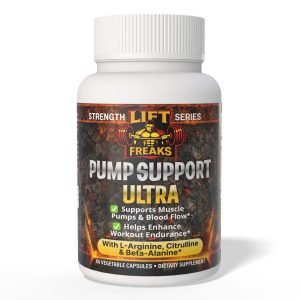
Athletes often combine circulation-support ingredients with other workout strategies.
Some individuals also include products such as Pump Support Ultra as part of their workout preparation routines.
When combined with structured training, balanced nutrition, hydration, and recovery habits, these strategies may help support consistent workout performance.*
*Always follow product instructions and consult a qualified professional if you have questions about supplement use.
Final Thoughts
Blood flow plays an essential role in supporting muscle performance during exercise.
Efficient circulation helps deliver oxygen, nutrients, and electrolytes to working muscles, allowing them to sustain repeated contractions during training.
Resistance training naturally increases blood flow to active muscles, contributing to the muscle pump sensation many athletes experience during workouts.
Athletes often combine structured training routines with balanced nutrition, hydration, and recovery strategies to support circulation and workout performance.
Understanding how blood flow influences exercise can help athletes build more effective training routines and maintain consistent progress in their fitness journeys.
References
American College of Sports Medicine. Nutrition and Athletic Performance Guidelines.
Kreider, R. B., et al. (2017). International Society of Sports Nutrition position stand: dietary supplements and exercise performance.
Schoenfeld, B. J. (2010). Mechanisms of muscle hypertrophy and resistance training. Journal of Strength and Conditioning Research.
Phillips, S. M. (2014). Exercise and muscular adaptations. Sports Medicine.
National Strength and Conditioning Association. Essentials of Strength Training and Conditioning.
Wackerhage, H., et al. (2019). Skeletal muscle adaptation and exercise stimuli. Sports Medicine.
Common Questions (FAQ)
Why is blood flow important during workouts?
Blood flow helps deliver oxygen and nutrients to working muscles during exercise.
What causes the muscle pump during workouts?
The muscle pump occurs when increased circulation sends more blood to muscles during resistance training.
Does hydration affect blood flow?
Hydration supports fluid balance in the bloodstream, which contributes to efficient circulation.
What nutrients support circulation during exercise?
Certain amino acids, nitrates, and electrolytes are commonly associated with circulation-related pathways.
Do athletes use supplements for circulation support?
Some athletes include pump-support ingredients as part of their workout preparation routines.
Is blood flow important for muscle recovery?
Circulation helps transport nutrients and oxygen throughout the body, which supports post-workout recovery processes.