Blog
Top Ingredients Athletes Look For in Pump Supplements 💪

Quick Summary (Key Takeaways)
• Pump supplements are commonly used by athletes before workouts to support training intensity and muscular engagement.
• These formulas often include ingredients that support circulation and nutrient delivery during exercise.
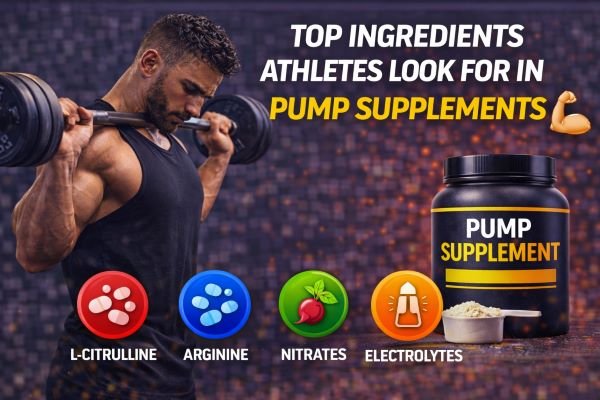
• Common pump-support ingredients include L-citrulline, arginine, nitrates, glycerol, and electrolytes.
• Many athletes combine pump supplements with structured training programs and balanced nutrition.
• Hydration, recovery, and consistent workouts remain essential for long-term performance and progress.
• Understanding the ingredients in pump supplements helps athletes make informed decisions about their training routines.
Top Ingredients Athletes Look For in Pump Supplements
In strength training and bodybuilding, the term “muscle pump” refers to the temporary feeling of muscle fullness that occurs during resistance exercise. This sensation happens when blood flow increases to the working muscles during training.
Many athletes enjoy the pump because it often accompanies intense training sessions. As a result, pump-support supplements have become popular in the sports nutrition world.
Pump supplements are typically used before workouts and often contain ingredients designed to support circulation, hydration, and muscular engagement during exercise.
While supplements do not replace proper training, nutrition, and recovery, they are often included in pre-workout routines by athletes who want to enhance their workout experience.
Understanding the ingredients commonly found in pump supplements can help athletes make informed choices when selecting sports nutrition products.
What Is a Muscle Pump?

A muscle pump occurs when resistance training increases blood flow to working muscles. During exercise, muscles require oxygen and nutrients to sustain contractions.
The body responds by increasing circulation to those muscles.
This process may lead to the temporary feeling of muscle fullness that athletes often experience during intense workouts.
The pump is most noticeable during resistance exercises such as:
• weightlifting
• resistance band training
• bodyweight strength exercises
Pump supplements often contain ingredients intended to support circulation and muscular engagement during workouts.
Why Athletes Use Pump Supplements
Pump-support supplements are commonly used as part of pre-workout routines.
Athletes often incorporate these products into their training preparation to complement workouts that focus on strength, muscle engagement, and high training intensity.
Pump supplements typically aim to support:
• circulation during workouts
• nutrient delivery to muscles
• muscular engagement during resistance training
• hydration and electrolyte balance
Many athletes combine pump supplements with structured workout programs that emphasize progressive overload and resistance training.
L-Citrulline
L-citrulline is one of the most widely used ingredients in pump-support supplements.
It is an amino acid that participates in the body’s natural nitric oxide cycle.
Nitric oxide is a signaling molecule that plays a role in regulating blood vessel relaxation and circulation.
Many pre-workout formulas include L-citrulline or citrulline malate to support workout performance and circulation during training.
Because citrulline is often well tolerated and commonly used in sports nutrition, it has become one of the most popular pump-support ingredients.
Athletes frequently look for citrulline in pre-workout formulas designed to complement strength training routines.
L-Arginine
L-arginine is another amino acid frequently included in pump-support supplements.
Arginine participates in pathways that contribute to nitric oxide production within the body.
Nitric oxide signaling contributes to the relaxation of blood vessels, which supports circulation during physical activity.
Although arginine has been used in sports nutrition for many years, some athletes prefer citrulline-based formulas because citrulline may remain active in the body for longer periods.
However, arginine continues to appear in many pump-support supplements as part of amino acid blends.
Nitrate-Rich Ingredients
Nitrates are compounds found naturally in certain vegetables such as beets and leafy greens.
These compounds can participate in pathways that contribute to nitric oxide production within the body.
Some pump supplements include nitrate-rich ingredients such as:
• beetroot extract
• spinach extract
• celery seed extract
These ingredients are often included in sports nutrition products designed to complement workout performance.
Because nitrates are naturally present in many vegetables, they are frequently incorporated into plant-based supplement formulas.
Glycerol
Glycerol is another ingredient sometimes included in pump-support supplements.
It is known for its ability to attract and retain water within the body.
In sports nutrition, glycerol is often used in hydration-support formulas.
When combined with proper fluid intake, glycerol may contribute to improved hydration during workouts.
Hydration is an important factor in athletic performance, particularly during intense or prolonged training sessions.
Some pump formulas include glycerol to support hydration and muscle fullness during exercise.
Electrolytes
Electrolytes are minerals that help regulate fluid balance and support muscle contractions.
Common electrolytes include:
• sodium
• potassium
• magnesium
• calcium
During exercise, electrolytes are lost through perspiration.
Replacing these minerals helps support hydration and fluid balance.
Many pump supplements include electrolyte blends to complement hydration strategies during workouts.
Maintaining electrolyte balance supports muscle function and exercise performance.
Beta-Alanine
Although beta-alanine is more commonly associated with performance-support supplements, it sometimes appears in pump-support formulas.
Beta-alanine is an amino acid involved in the production of carnosine, a compound found in muscle tissue.
Carnosine plays a role in buffering hydrogen ions that accumulate during intense exercise.
Some athletes include beta-alanine as part of their pre-workout routines designed to complement high-intensity training sessions.
Beta-alanine is commonly included alongside other performance-support ingredients.
Taurine
Taurine is another amino acid frequently included in sports nutrition products.
It is involved in several physiological processes related to hydration and cellular balance.
Taurine is often included in pump-support formulas because it contributes to electrolyte balance and fluid regulation.
Athletes sometimes combine taurine with other amino acids and electrolytes as part of their workout preparation routines.
Combining Pump Ingredients With Training
Pump supplements are most commonly used alongside structured training routines.
Athletes who prioritize compound exercises and progressive overload often incorporate pump-support products into their pre-workout preparation.
Examples of exercises often associated with pump-style training include:
• bench presses
• squats
• rows
• biceps curls
• triceps extensions
These exercises involve repeated muscle contractions that increase circulation to the working muscles.
When performed with controlled tempo and sufficient volume, they can produce the muscle pump sensation many athletes enjoy.
Training Variables That Influence the Pump

Several workout variables can influence the intensity of the muscle pump during training.
These include:
Repetition Range
Moderate repetition ranges, such as 8–15 reps per set, are often associated with pump-style workouts.
Time Under Tension
Slower repetitions increase the duration muscles remain engaged during each set.
Short Rest Periods
Shorter rest periods between sets help maintain circulation to the working muscles.
Training Volume
Performing multiple sets for the same muscle group can increase muscle engagement during workouts.
Many athletes combine these techniques with pump-support supplements as part of their workout routines.
Nutrition and Hydration for Workout Performance
Although pump supplements are popular, proper nutrition remains one of the most important factors supporting athletic performance.
Athletes often prioritize balanced diets that include:
• protein for muscle maintenance
• carbohydrates for workout energy
• healthy fats for overall nutrition
Hydration also plays a major role in training performance.
Water helps support circulation, temperature regulation, and nutrient transport during exercise.
Athletes who maintain hydration habits often experience more consistent workouts.
Combining Pump Supplements With Training Strategies
Athletes often combine pump supplements with other workout strategies to enhance their training routines.
Some individuals also include products such as Pump Support Ultra as part of their workout preparation routine.
When used alongside structured training, balanced nutrition, hydration, and recovery habits, these strategies may help support consistent workout performance.*
*These statements have not been evaluated by the Food and Drug Administration. Dietary supplements are not intended to diagnose, treat, cure, or prevent any disease.
Final Thoughts
Pump supplements have become popular in sports nutrition because many athletes enjoy the muscle fullness and engagement that can occur during resistance training.
Ingredients such as L-citrulline, arginine, nitrates, glycerol, and electrolytes are commonly included in pump-support formulas.
While these supplements are often used as part of pre-workout routines, they are most effective when combined with structured training, balanced nutrition, hydration, and proper recovery.
By understanding the ingredients commonly found in pump supplements, athletes can better align their supplement choices with their training goals.
References
American College of Sports Medicine. Nutrition and Athletic Performance Guidelines.
Schoenfeld, B. J. (2010). The mechanisms of muscle hypertrophy and resistance training. Journal of Strength and Conditioning Research.
National Strength and Conditioning Association. Essentials of Strength Training and Conditioning.
Phillips, S. M. (2014). Exercise and muscular adaptations. Sports Medicine.
Wackerhage, H., et al. (2019). Skeletal muscle adaptation and exercise stimuli. Sports Medicine.
Kreider, R. B., et al. (2017). International Society of Sports Nutrition position stand: dietary supplements and exercise performance.
Common Questions (FAQ)
What are pump supplements?
Pump supplements are sports nutrition products commonly used before workouts that often contain ingredients designed to support circulation and muscular engagement during exercise.
What ingredients are most common in pump supplements?
Common ingredients include L-citrulline, arginine, nitrates, glycerol, electrolytes, and amino acids.
When do athletes take pump supplements?
Pump supplements are typically taken before workouts as part of pre-workout preparation routines.
Do pump supplements replace proper training?
No. Structured training, balanced nutrition, and recovery remain essential for fitness progress.
Can beginners use pump supplements?
Beginners can focus first on building consistent training habits and balanced nutrition before considering supplements.
Are pump supplements used every workout?
Some athletes include pump-support products regularly in their training routines, while others use them selectively.