Blog
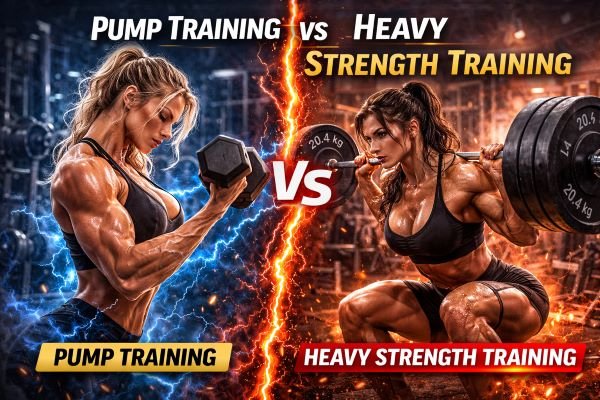
Pump Training vs Heavy Strength Training 💪

Quick Summary (Key Takeaways)
Pump training focuses on higher repetitions, shorter rest periods, and increased muscle engagement to create the well-known “muscle pump.”
Heavy strength training emphasizes lifting heavier weights with lower repetitions to develop maximal strength and power.
Both training styles stimulate muscles in different ways and can complement each other in a balanced training program.
Pump training often increases time under tension and circulation, while heavy strength training focuses on mechanical load and progressive overload.
Many bodybuilders combine both methods to support muscle development, strength gains, and workout variety.
The most effective training programs include proper nutrition, hydration, recovery, and consistent exercise routines.
Pump Training vs Heavy Strength Training
In the world of bodybuilding and strength training, athletes often debate the benefits of pump training versus heavy strength training. Both styles are widely used by bodybuilders, powerlifters, and fitness enthusiasts, yet each approach focuses on different training goals and physiological responses.
Pump training is often associated with higher repetitions and the well-known muscle pump sensation that occurs during workouts. Heavy strength training, on the other hand, prioritizes lifting heavier weights with lower repetitions to develop maximal strength.
Rather than viewing these methods as competing strategies, many experienced athletes recognize that both training styles can play valuable roles in a balanced fitness program. Understanding the differences between pump training and heavy strength training helps athletes structure workouts that support their individual goals.
What Is Pump Training?
Pump training is a style of resistance training designed to maximize muscle engagement and circulation during workouts.
Athletes using pump training often focus on exercises that keep muscles under tension for extended periods of time. This approach encourages increased blood flow to the working muscles, which produces the familiar sensation of muscle fullness commonly referred to as the “pump.”
Pump-focused workouts typically involve:
Moderate weight loads
Higher repetition ranges
Shorter rest periods between sets
Isolation exercises targeting specific muscle groups
Training techniques such as supersets and drop sets
This style of training is frequently used in bodybuilding programs because it emphasizes muscle engagement and workout intensity.
Many athletes find pump training highly motivating because it provides immediate feedback during workouts as muscles feel fuller and more engaged.
Understanding the Muscle Pump
The muscle pump occurs when blood flow increases to working muscles during resistance training.
As muscles contract repeatedly, blood vessels supplying those muscles expand to deliver oxygen and nutrients needed for muscular activity.
At the same time, muscle contractions temporarily limit the blood leaving the muscle tissue. This combination allows blood to accumulate in the muscles during the set.
The result is the familiar pump sensation characterized by:
Temporary muscle fullness
Increased vascular appearance in some athletes
Tightness in the working muscles
Enhanced awareness of muscle engagement
Exercise scientists often describe this process as exercise-induced hyperemia, which simply refers to increased blood flow to active muscles.
While the pump itself is temporary, it remains one of the most satisfying aspects of bodybuilding workouts.
What Is Heavy Strength Training?
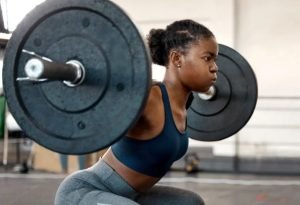
Heavy strength training focuses on lifting heavier loads to develop maximal strength and power.
This style of training is often used in strength sports such as powerlifting and Olympic weightlifting, but it is also widely incorporated into bodybuilding programs.
Heavy strength training typically includes:
Lower repetition ranges (often 3–6 repetitions per set)
Higher weight loads
Longer rest periods between sets
Compound exercises involving multiple muscle groups
Examples of exercises commonly used in heavy strength training include:
Squats
Deadlifts
Bench presses
Overhead presses
Pull-ups
These movements allow athletes to lift heavier weights and stimulate multiple muscle groups simultaneously.
Heavy strength training plays a central role in developing overall muscular strength and power.
Key Differences Between Pump Training and Strength Training
Although both training styles involve resistance exercises, their goals and methods differ in several ways.
Repetition Range
Pump training typically involves 8–15 repetitions per set, allowing muscles to remain under tension longer.
Heavy strength training often uses 3–6 repetitions per set with heavier weights.
Weight Load
Pump workouts use moderate weights that allow athletes to perform more repetitions.
Strength training prioritizes heavier loads that challenge maximal strength.
Rest Periods
Pump training usually includes shorter rest periods, often between 30–60 seconds.
Strength training often requires longer rest periods of 2–4 minutes to allow recovery before heavy lifts.
Exercise Selection
Pump-focused workouts frequently include isolation exercises targeting individual muscles.
Strength training relies more heavily on compound movements involving multiple joints and muscle groups.
Benefits of Pump Training
Pump training offers several advantages for bodybuilders and fitness enthusiasts.
Increased Time Under Tension
Higher repetition ranges keep muscles engaged for longer periods during each set.
This extended time under tension encourages greater muscle activation during workouts.
Enhanced Mind-Muscle Connection
Pump training allows athletes to focus on specific muscle groups.
The sensation of muscle fullness during workouts can help lifters concentrate on the muscles being trained.
Training Variety
Pump workouts introduce variety into training routines, which can help maintain motivation and prevent workouts from feeling repetitive.
Many athletes enjoy alternating between heavy strength sessions and pump-focused workouts throughout the week.
Benefits of Heavy Strength Training
Heavy strength training offers unique advantages that complement pump-focused routines.
Strength Development
Lifting heavier weights helps athletes develop maximal strength.
Greater strength allows athletes to handle heavier loads in future workouts.
Compound Muscle Activation
Heavy compound exercises engage multiple muscle groups simultaneously.
This can help athletes build balanced strength across the body.
Progressive Overload
Heavy strength training often emphasizes progressive overload, which involves gradually increasing weight or intensity over time.
This approach encourages the body to adapt and become stronger.
Combining Pump Training and Strength Training
Many experienced athletes combine both training styles to create balanced workout programs.
Rather than choosing one method exclusively, they use pump training and heavy strength training at different times.
For example:
Strength-Focused Days
Athletes may dedicate certain workouts to heavy compound lifts using lower repetition ranges.
Pump-Focused Days
Other workouts may emphasize higher repetitions, shorter rest periods, and muscle-focused exercises.
This combination allows athletes to stimulate muscles in multiple ways and maintain training variety.
Many bodybuilding programs incorporate both methods because they complement each other.
Nutrition and Hydration for Training Performance
Regardless of training style, proper nutrition and hydration play essential roles in workout performance.
Athletes often focus on balanced nutrition that includes:
Protein sources that support muscle maintenance
Carbohydrates that provide workout energy
Healthy fats that contribute to overall nutrition
Hydration is equally important.
Water supports circulation, nutrient transport, and temperature regulation during exercise.
Athletes who stay well hydrated often report improved workout performance and endurance.
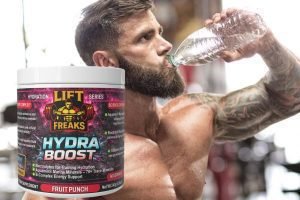
Sports Nutrition and Pump-Focused Training
Many athletes combine their training routines with sports nutrition products designed to complement workout preparation.
Certain ingredients are commonly included in supplements used by bodybuilders and strength athletes, such as:
L-citrulline
Creatine
Beta-alanine
Electrolytes
Nitrate-containing plant extracts
These ingredients are often included in formulas designed for athletes who enjoy pump-focused workouts or high-intensity training sessions.
Choosing the Right Training Style for Your Goals
Both pump training and heavy strength training can play valuable roles in a structured workout routine.
Athletes seeking maximal strength may focus more heavily on compound lifts and lower repetition ranges.
Those interested in bodybuilding aesthetics may incorporate more pump-focused workouts that emphasize muscle engagement.
In many cases, combining both methods allows athletes to benefit from the advantages of each training style.
By alternating between strength sessions and pump workouts, lifters can maintain balanced development while keeping their training routines engaging and challenging.
Final Thoughts
Pump training and heavy strength training are both effective resistance training approaches that support different aspects of fitness and performance.
Pump training emphasizes higher repetitions and muscle engagement, creating the familiar sensation of muscle fullness during workouts. Heavy strength training focuses on lifting heavier weights to develop maximal strength and power.
Rather than choosing one approach exclusively, many athletes combine both methods to build balanced training programs that support strength, muscle engagement, and long-term consistency.
When combined with proper nutrition, hydration, recovery, and structured workouts, these training styles can help athletes stay motivated and continue progressing in their fitness journeys.
References
Schoenfeld, B. (2010). The mechanisms of muscle hypertrophy and their application to resistance training. Journal of Strength and Conditioning Research.
American College of Sports Medicine. Resistance Training Guidelines.
Wackerhage, H., et al. (2019). Stimuli and sensors that initiate skeletal muscle hypertrophy. Sports Medicine.
Morton, R. W., et al. (2019). Resistance training volume enhances muscle hypertrophy. Medicine & Science in Sports & Exercise.
Phillips, S. M. (2014). Exercise and muscular adaptations. Sports Medicine.
National Strength and Conditioning Association. Essentials of Strength Training and Conditioning.
Common Questions (FAQ)
What is pump training?
Pump training refers to resistance workouts that focus on higher repetitions and shorter rest periods to increase circulation and muscle engagement during exercise.
What is heavy strength training?
Heavy strength training emphasizes lifting heavier weights with lower repetitions to develop maximal strength.
Which training style is better for bodybuilding?
Many bodybuilders combine both pump training and heavy strength training to support balanced muscle development.
Can beginners use both training styles?
Yes. Beginners can incorporate both methods by starting with moderate weights and gradually increasing intensity as they gain experience.
Does pump training replace strength training?
Pump training and strength training serve different purposes, and many athletes benefit from including both styles in their workout routines.
Do supplements help with pump workouts?
Some athletes include pump-focused supplements in their pre-workout routines to complement their training sessions.